

























































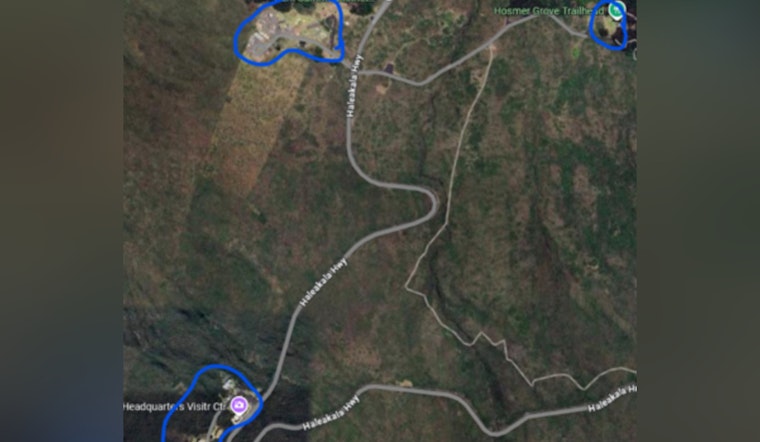
The drinking water system that keeps Haleakalā National Park running just got some unwelcome news. The Hawaiʻi Department of Health said Monday that PFAS, a class of persistent industrial chemicals often called "forever chemicals," were detected in water samples collected at the Haleakalā Park Rain Shed Chlorinator.
That chlorinator is part of the Haleakalā National Park drinking water system on Maui (Public Water System HI0000222), which supplies water to park facilities and staff. Officials shared the alert on social media as the first public notice about the detection.
According to the Hawaiʻi State Department of Health, PFAS were found at the Haleakalā Park Rain Shed Chlorinator of the Haleakalā National Park water system (Public Water System HI0000222). The agency's post named the site and contaminant class but did not provide specific concentrations or a public health determination.
Who Uses This System And Where The Water Comes From
The Haleakalā utility is relatively small. The Environmental Working Group lists the system (HI0000222) as serving roughly 1,200 people and drawing from groundwater sources. That footprint means most users are park facilities, staff housing, and visiting services rather than a large residential population.
What PFAS Are And What The EPA Requires
PFAS are man-made compounds used in products such as firefighting foam and nonstick cookware. They persist in the environment and have been linked to health concerns at higher exposures. The U.S. Environmental Protection Agency finalized national drinking water regulations for six PFAS in 2024 and now requires public water systems to monitor and take steps to meet enforceable limits.
How This Fits Into Hawaiʻi's Wider Testing
The state Department of Health maintains a running list of PFAS detections and has been issuing first-detection notices as monitoring expands. The DOH PFAS information page summarizes recent findings across the islands.
Earlier DOH notices have described many detections as low and below immediate-concern thresholds. However, newly finalized federal standards will affect how test results are evaluated and when follow-up action is required.
What Visitors And Staff Should Know
The National Park Service notes that drinking water is available at visitor centers and recommends that visitors arrive with their own supply as well. Anyone heading to the summit is advised to check official updates before traveling.
State and park officials say they will provide additional guidance if confirmatory testing shows PFAS levels that require action.





