

























































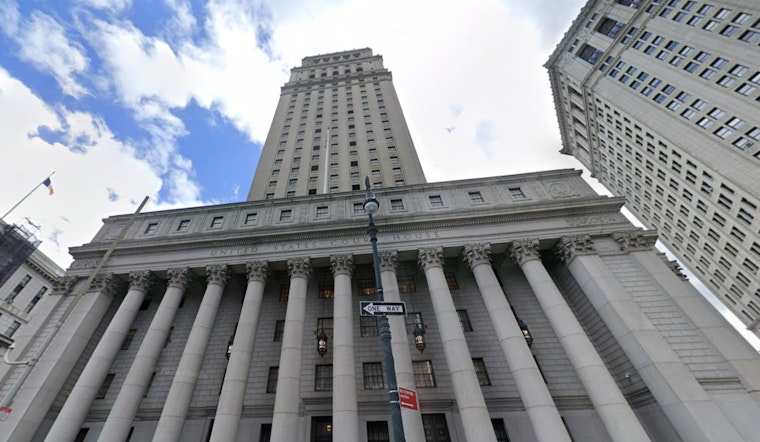
A Manhattan appeals court has given the green light to a disability discrimination lawsuit against Assemblyman Eddie Gibbs, keeping a bitter employment fight alive as the East Harlem lawmaker heads into a tight political calendar.
On May 27, 2026, the appellate court said former senior adviser Keith Lilly can press key claims that he was unlawfully fired while hospitalized for a serious diabetes-related condition, days before a planned toe amputation and just short of his one-year work anniversary. Lilly is seeking damages for lost pay and other losses.
The appellate panel allowed Lilly’s claims that Gibbs failed to accommodate his disability and wrongfully terminated him on the cusp of potential statutory protections to move forward, while trimming other parts of the lawsuit, according to amNewYork. The ruling sends the case back to the trial court for discovery and the rest of the usual pretrial wrangling.
Court filings outline a stark timeline. Lilly was hired as a senior adviser in August 2022. In July 2023, he discovered a worsening wound on his left foot, was hospitalized, and told Gibbs he was scheduled for a toe amputation. A court transcript posted on Justia states that Gibbs visited Lilly in the hospital on July 24, 2023, and that Lilly alleges he was fired by phone two days later, on July 26, 2023.
Lilly’s complaint seeks at least $500,000 in compensatory damages, plus punitive damages, back pay, attorney fees, and reimbursement for lost 401(k) contributions, according to amNewYork. Lilly’s attorney, David Krauss, called the appellate decision “a victory for the rule of law,” the outlet reported.
What the courts found
An earlier trial-court ruling had already concluded that, at the pleadings stage, Lilly plausibly alleged that Gibbs failed to engage in the “cooperative dialogue” required under the New York City Human Rights Law. The court also found that firing an employee to sidestep obligations under the Family and Medical Leave Act (FMLA) could amount to unlawful interference.
That decision, posted on Justia, refused to dismiss Lilly’s failure-to-accommodate and FMLA interference claims and left the factual disputes to be sorted out through discovery, setting the table for the appellate court’s latest word.
Political timing
Gibbs represents the 68th Assembly District in Manhattan, which includes parts of East Harlem, according to his official Assembly page. With New York’s primary scheduled for June 23, 2026, per the New York State Board of Elections, the appellate ruling lands on a compressed political calendar for the incumbent, who now has a live lawsuit running in the background.
Why it matters
Employment-law observers say the case tees up a closely watched question: can workers who alert their bosses to upcoming medical procedures, but have not yet hit the FMLA’s 12-month employment mark, sue if they are terminated beforehand for reasons tied to that leave request.
Courts around the country have split on that issue, and the outcome here could influence how public-sector offices handle employees who are right on the edge of FMLA eligibility.
For now, the appellate ruling puts the case back before a Manhattan trial judge and opens the door to discovery that could bring out internal records, witness testimony, and possibly settlement talks. The claims that survived the appeal will now move through the standard, and often grinding, steps of civil litigation.





