

























































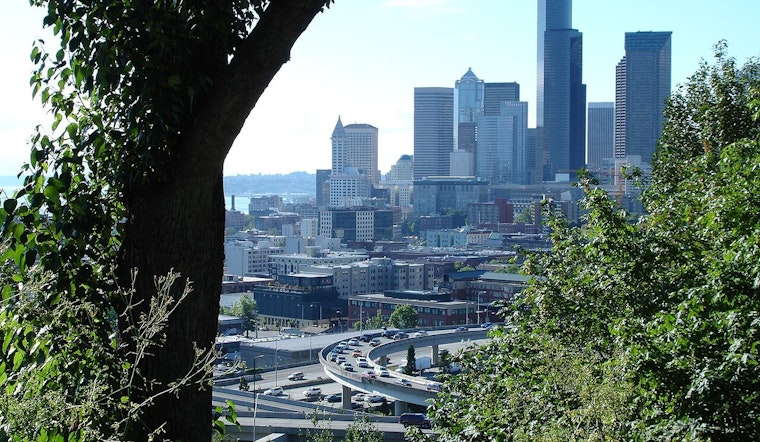
Seattle, the city better known for drizzle than heat waves, is quietly getting hotter in the summer, and City Hall is treating trees like critical public-safety gear. Forested parks and street canopy can knock surface temperatures down dramatically, but that shade is not evenly spread around town and is actually shrinking in some of the neighborhoods where residents are most at risk. The argument is no longer about whether trees matter, but about where and how quickly Seattle can protect and expand its canopy before the next dangerous heat event arrives.
As reported by KING5, recent analysis finds Seattle would need more than 473,000 additional trees to close its tree-cover gap and add over 10 square miles of shade, and that nearly one in five residents lives in neighborhoods without enough canopy. The city’s 2021 Tree Canopy Assessment backs that up, documenting a net loss of roughly 255 acres of canopy between 2016 and 2021, a drop the report likens to losing an area about the size of Green Lake. Those numbers are now driving new planting goals and tougher protections for the trees that are still standing.
Who Is Counting Trees, And Who Is Planting Them?
National and state tools are increasingly steering local choices. American Forests and the Washington Department of Natural Resources have rolled out a Washington-specific Tree Equity Score Analyzer that maps where new trees would cool the most people and helps guide funding priorities. That data effort lines up with city promises: local leaders have committed to multi-year tree-planting and maintenance targets under a Tree Canopy Equity and Resilience plan, aiming to match science with real-world projects instead of just scattering saplings at random. The focus is on planting first in neighborhoods that endure the most heat and have the fewest existing trees.
Parks As Cooling Centers, And Why They Aren’t Enough
Parks such as Seward Park are already acting as neighborhood cool zones, and volunteers and restoration partners have spent years trying to protect and expand those shaded refuges. The Friends of Seward Park documents ongoing stewardship in the old-growth forest there, and reporting has noted that lakefront parkland can feel 10 to 15 degrees cooler than nearby streets on hot days. At the same time, the city’s heat-safety materials stress that many homes still do not have central air conditioning and that libraries, pools and parks often double as crucial short-term cooling centers during extreme heat.
Planting trees alone will not flip a switch. Young saplings need years of care before they provide the kind of canopy and cooling that mature trees deliver, which is why officials keep highlighting maintenance budgets, protections for existing canopy and community-led stewardship as essential pieces of any large-scale planting push. Where trees go also matters, because the neighborhoods that lost the most canopy in recent assessments overlap with places that are hotter and have fewer resources to deal with severe heat.
Bringing those pieces together, including the Tree Equity mapping tools, state and nonprofit partnerships and local planting programs, is how Seattle and its partners say they will target the work ahead. Tools such as the Washington analyzer (Tree Equity Score Analyzer) and the city’s own urban-forest planning pages help officials decide where a new tree can provide the most immediate public-health payoff. For now, the marching orders are straightforward: protect the canopy that is left and ramp up well-funded, community-centered plantings so that life-saving shade reaches the neighborhoods that need it the most.



