

























































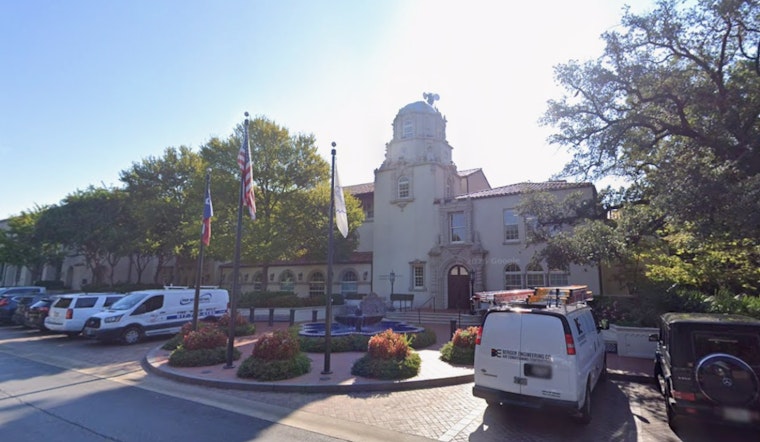
Highland Park is getting ready to pull its lone DART bus stops and swap in a homegrown microtransit experiment, putting the town on its own transit track for the first time in decades. Town leaders say a six-month pilot will bundle on-demand rides with federally required paratransit, and they are also sketching out a separate “builder shuttle” that would ferry construction crews so they are not clogging neighborhood streets with work trucks. Supporters are touting lower costs and cleaner curbs, while transit advocates worry that what Highland Park gains in control, it might lose in regional connections for riders who rely on DART.
Pilot and budget
The Town Council has signed off on a contract with Via for an initial six-month pilot and approved a $1.55 million amendment to the FY26 budget to pay for it, according to People Newspapers. Council materials describe the rollout as deliberately flexible so officials can gather ridership and cost data, then tweak routes, service hours and pricing before deciding whether to keep the service going.
Timing and service area
The town calendar lists a special meeting on Wednesday to canvass the May 2 election results, and officials say DART service in Highland Park will end the day after those votes are certified. Town leaders plan to launch the new on-demand and paratransit service that same week, according to the Town of Highland Park. The six-month pilot is billed as covering trips that start and end in Highland Park and within roughly a one-mile radius beyond the town limits, with planned links to Love Field and SMU/Mockingbird Station. DART has reported very low ridership on the town’s single bus route, about 35 boardings on an average weekday, a number town officials have leaned on to justify trying a local replacement model.
Fares, paratransit and the builder shuttle
Council members have floated a flat $3 one-way fare and a $3.50 paratransit fare for the pilot. During the trial period, the town is considering charging the full fare to all riders, including seniors and people transferring from DART, The Dallas Morning News reports. Mayor Will Beecherl framed the switch as basic math, saying, “It's going to be a whole lot cheaper for us to run Via than to pay $8 million to DART.”
At the same time, officials are shaping a Workforce Circulator, often dubbed the “builder shuttle,” that would haul contractor crews from off-site parking lots to job sites. The goal is to cut back on work trucks parked along narrow streets and to keep routes clear for emergency vehicles. The proposal is expected to come back to the council after additional review, according to People Newspapers.
What this change could mean
Microtransit can plug holes left by lightly used fixed bus routes and has been adopted by cities that want more flexible, lower-cost service. Planners say it tends to work best when it ties into larger transit networks and when riders can book by phone and get wheelchair-accessible vehicles, according to reporting by Smart Cities Dive. Highland Park’s move comes as several North Texas suburbs are rethinking their DART memberships and weighing local control and budget savings against the benefits of shared regional service.
Town officials say they want the transition to feel as seamless as possible for riders and are urging residents who rely on transit or paratransit to keep an eye on the town website for rollout details and service maps. The town calendar and official notices will carry updates on the launch timeline, along with any final fare decisions and booking instructions.


