

























































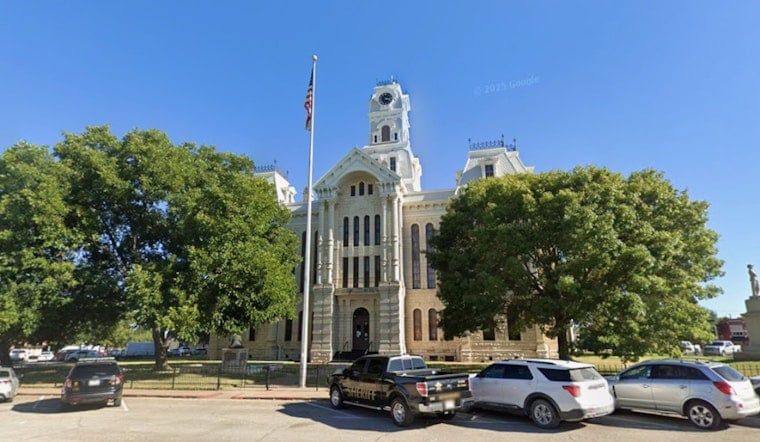
Hill County leaders have hit pause on the data center rush, voting 3-2 yesterday to approve a one-year moratorium on new data centers and large energy-storage projects in unincorporated parts of the county. The emergency measure halts new permit activity while officials study how massive, power-hungry facilities could affect local water supplies, the electric grid, and the rural character that drew many residents there in the first place. The move follows weeks of packed meetings and hurried developer outreach that many locals said felt like it was moving far faster than their small communities could follow.
The vote came after hours of sometimes heated testimony in the commissioners' court, as residents described a wave of interest from companies scouting land for sprawling tech campuses. County Commissioner Jim Holcomb told colleagues the county was worried about the "potential impact to local water supplies and quality of life" and urged them to "tap the brakes" before projects rolled in at full speed, according to Bloomberg. The moratorium also applies to utility-scale battery storage proposals that often come packaged with modern data center campuses.
The 3-2 decision temporarily freezes construction of new data centers and associated energy-storage facilities in unincorporated Hill County, roughly 55 miles south of Fort Worth, but it is not a permanent prohibition. County officials say the one-year timeout is meant to give them room to evaluate whether the projects could harm residents' health, safety, or property values, and to consider new rules for where facilities can go and how impacts might be reduced, according to the Houston Chronicle.
Residents turned out in force to press for the pause, warning that the constant hum of cooling units, endless truck traffic, and heavy water use could transform quiet ranchland and lake communities into industrial zones. "They're going to destroy it," one Hillsboro rancher told local reporters after the vote, per KXXV. The county has already taken steps to welcome at least one major project: earlier this year, commissioners approved a reinvestment-zone designation for a massive Nexus Data Centers campus planned outside Hubbard, a buildout that could feature multiple 400,000-square-foot buildings and an on-site power plant, according to The Lakelander. Other ideas in the pipeline, including a roughly 300-acre site tied to Provident, have only intensified the local debate, as reported by The Texas Tribune via local syndication.
Legal questions and next steps
County Attorney David Holmes cautioned commissioners that the moratorium could land Hill County in court. Passing the pause, he said, exposes officials to litigation from deep-pocketed developers who do not like being told to wait. "You're damned if you and damned if you don't," he told the court, according to reporting by The Texas Tribune. Similar tensions are already playing out elsewhere in North Texas, as state lawmakers and local leaders argue over how much power counties actually have to slow development, and some have formally asked Attorney General Ken Paxton for clarification.
Why counties are pushing back
Hill County officials and residents point to a familiar list of worries that has been growing across Texas: water strain in areas that rely on limited supplies, added pressure on the grid, around-the-clock noise, and a permanent shift in how land is used. Texas already hosts hundreds of data centers and continues to attract more proposals, a trend that has prompted new scrutiny of where those facilities get built and how much they contribute to the roads, power lines, and other public infrastructure they rely on, per the Houston Chronicle.
The moratorium is set to expire one year from the date it takes effect, unless commissioners choose to lift it earlier after completing studies and holding more public hearings, county officials said. Developers argue that big data campuses deliver tax revenue and jobs, and they are unlikely to walk away quietly. According to KWTX, county leaders now have a year to figure out how to weigh those promises against the risk to local infrastructure, all while keeping an eye on the courthouse door for potential legal challenges.





