

























































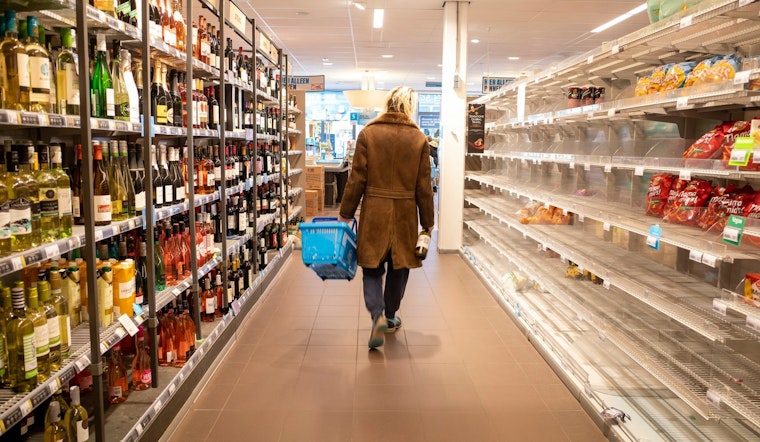
HOUSTON, With Atlantic hurricane season just two weeks away and grocery bills edging higher, many families say there is simply no room in the budget for an emergency kit. For households living paycheck to paycheck, stocking up on water, canned food and batteries can feel like a steep up front hit. Still, a modest, well organized kit built over time can protect your family when a storm hits, and there are practical, low cost steps and local resources that can help Houstonians prepare without blowing the budget.
Why prepare now
The Atlantic season officially begins June 1, just two weeks from now, according to the National Hurricane Center. Local coverage has already highlighted a pared down checklist for families on tight budgets, and experts emphasize building supplies gradually instead of making one big, expensive shopping run, as noted by Click2Houston.
That advice lands in a tough financial moment. The U.S. Bureau of Labor Statistics reports grocery prices in the Houston area rose 1.7% over the year ending February 2026. At the same time, the Kinder Institute at Rice University finds that only about a third of Harris County residents could cover three months of expenses from savings, which means even a short disruption can quickly become a crisis.
Budget kit essentials
For a basic kit, start with what is most likely to keep your household safe and fed. That means water (one gallon per person per day), several days of nonperishable food, a manual can opener, a flashlight and extra batteries, a first aid kit and a battery powered or hand crank radio. The federal checklist also recommends a NOAA weather radio, dust masks, plastic sheeting and duct tape, moist towelettes and garbage bags, a whistle, phone chargers and local maps, according to Ready.gov.
Keep these core items together in a single, easy to grab container, such as a sturdy bin or backpack. That setup makes it simpler to add supplies over time and to rotate older food and water into your everyday grocery routine so nothing sits forgotten in a closet.
How to stretch your dollar
Instead of trying to buy everything at once, build your kit piece by piece. Add one extra canned or dry item to your cart during each grocery trip. Choose calorie dense staples like rice and pasta, pick store brands when they are cheaper and watch for sales, coupons and multipacks. Use what you store in regular meals so items get naturally rotated before they expire.
Local nonprofits often help fill the gaps. Community groups assemble and distribute go bags in vulnerable neighborhoods, which can be a lifeline when money is tight. Even so, fully assembled kits can still run about $95, a reality reported by the Texas Observer, so stretching each dollar matters.
Where to get help in Houston
If up front cost is the main obstacle, local support networks can make a difference. Dial 2-1-1 to reach the 211 Texas/United Way HELPLINE for connections to food, shelter and utility assistance. The City’s preparedness site, Ready Houston, offers local guides on what to pack and how to plan.
The Houston Food Bank maintains a searchable list of food distribution locations that can help families round out pantry staples ahead of a storm. Many neighborhood groups also coordinate kit drives before hurricane season so residents can pick up essentials or trade extra items.
Safety and food rules to keep in mind
Saving money is important, but so is staying safe. Never run a gasoline generator indoors or in an attached garage. The CDC warns that generators produce carbon monoxide that can be deadly and should only be used outside, far from doors, windows and vents.
After a power outage, follow food safety guidance from the U.S. Department of Agriculture. Perishable foods that have been above 40°F for more than about four hours should be discarded. Appliance thermometers can help you verify temperatures before deciding what to keep or toss, according to USDA Food Safety.
Simple precautions such as keeping battery powered carbon monoxide detectors, extra phone power banks and a family communication plan can also help ensure older adults or neighbors get checked on if the power fails.
With the season now less than two weeks away, spreading purchases over several shopping trips can be enough to protect your family without a huge up front bill. For a straightforward local checklist and more context on costs, see the coverage from Click2Houston and the official kit guidance from Ready.gov linked above.




