

























































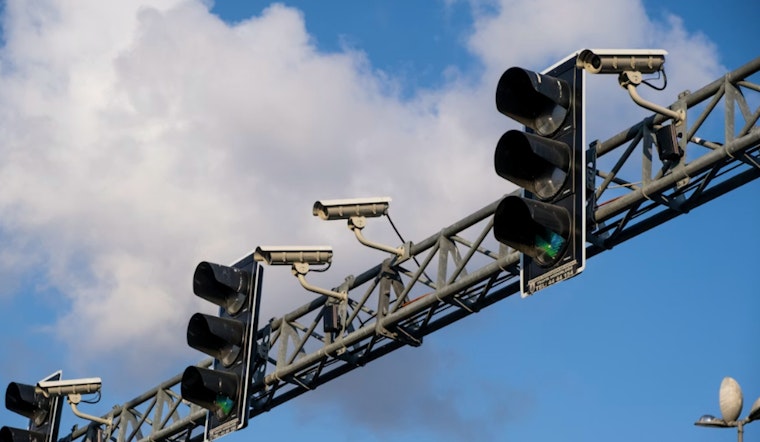
Houston is doubling down on AI in the streets. On Wednesday, the city approved a second batch of AI powered traffic cameras, 10 units at a cost of roughly $350,000, to watch over the Almeda corridor near NRG Stadium. City leaders say the gear will help smooth traffic and improve safety during big events, including FIFA related fan activity. Neighbors and civil liberties advocates are far less enthusiastic, warning that the same sensors could quietly morph into tools for mass surveillance. The city has not said when the devices will go in or exactly where, and the move places Houston in a growing group of Texas cities experimenting with AI for traffic and crowd control.
What city officials approved
According to ABC13 Houston, the mayor signed a purchase order for 10 AI driven detection units bought through MoboTrex, LLC and listed in city paperwork as the Derq system. Officials say the sensors are intended to manage congestion and enhance safety along the Almeda corridor that connects fan activity areas to NRG Stadium. City documents, cited by ABC13, note that Almeda has "10 traffic lights in a row," but they do not spell out which specific intersections will get the equipment.
What the technology claims to do
The product description on MoboTrex describes a Derq powered system that runs analytics at the edge to identify vehicles and pedestrians, then generates near real time alerts and predictive actions. The company says its Derq SENSE platform can send information to traffic operators and tie into signal controllers so lights can adjust timing and reduce delays. Those vendor claims sit at the heart of the city's pitch that the cameras will boost both safety and traffic flow.
Local pushback grows
Not everyone on council is convinced this is a harmless traffic fix. During the approval process, Councilmember Alejandra Salinas warned that the cameras "pose a great risk of mass surveillance," and some residents told reporters they fear their license plate or facial data could be collected without their consent. Kailai Wang, an assistant professor at the University of Houston, told reporters that AI can make daily systems more efficient, but it also creates new avenues for misuse, including hackers potentially tampering with signal timing. Those concerns and comments were documented in coverage by ABC13 Houston.
Security precedents suggest caution
Security researchers have already shown that connected traffic systems are not immune to attack. The 2014 Lab11 study titled "Green Lights Forever" detailed how weaknesses in a municipal signal network let researchers gain control of dozens of intersections. Cybersecurity analysts also warn that ransomware and data integrity attacks on transportation infrastructure are becoming more common, a point underscored in a recent analysis by Highways Today. That technical track record has led experts to call for clear public policies, regular audits and fail safe operating modes before cities scale up sensor networks.
Part of a wider debate in Texas and beyond
Houston's purchase fits into a broader pattern of AI on the roads. Nearby Pearland signed off on 11 AI sensors this spring to help time traffic signals, according to a recent report from Community Impact. At the same time, cities across the country have faced stiff criticism over automated camera networks, including license plate readers, and some have paused or canceled contracts after privacy audits and public backlash, developments covered by The Guardian.
What comes next
With the purchase now finalized, the fight shifts from whether to buy the cameras to how they will be used. The immediate questions are practical ones: which intersections will receive the sensors, how long any data will be stored, who will be allowed to access it and whether independent audits will be permitted. Civil liberties groups and some council members say they plan to push for tight limits on data retention, strict access rules and public reporting on how the software operates. For the moment, Houston has cleared the procurement hurdle. The real debate, over what the cameras will watch and what happens to that information, is just getting started.





