

























































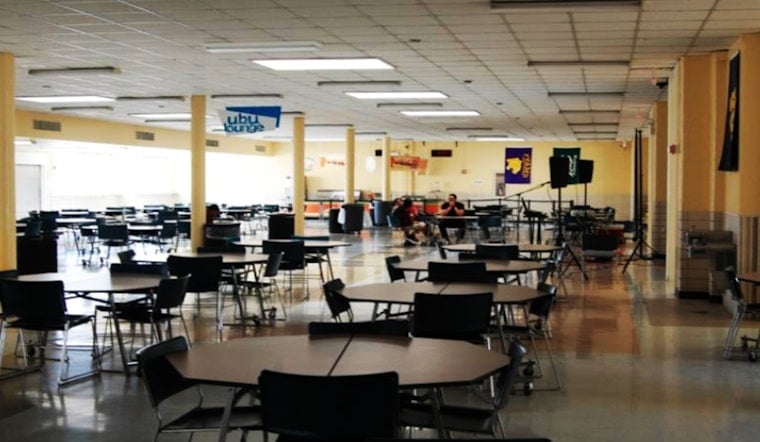
Nearly 250,000 Louisiana children live in households that do not always have enough to eat, and when breakfast tables come up empty, teachers and school staff are often the ones quietly stepping in. Food banks and anti-hunger advocates say schools can blunt some of the worst effects by widening access to breakfast, helping families get into free-meal programs and leaning on summer feeding sites as demand climbs.
Feeding Louisiana reports that roughly 248,630 children live in food-insecure households and about 827,690 Louisianans overall are affected, according to Feeding Louisiana. Those numbers put the state among those with some of the country’s highest child hunger rates and leave schools and nonprofits scrambling to fill the gaps.
Summer Meals Ramp Up As Classrooms Feel The Strain
Local reporting says Second Harvest received applications from 99 sites to serve summer breakfast and lunch and expects to reach roughly 6,000 children through those locations this summer. Educators told reporters they sometimes buy snacks out of pocket for students who show up without breakfast, as reported by NOLA.
Bayou Distribution Center Will Add Meal Capacity In Houma
A public funding filing with the Louisiana Legislature lays out plans to renovate a 17,000‑square‑foot warehouse at 221 and 223 S. Hollywood Road in Houma into a Bayou Distribution Center with 10,000 square feet of cold and dry storage and a 3,400‑square‑foot commercial kitchen that could produce up to 3,000 meals a day. The filing says the center is intended to boost deliveries across Terrebonne, Lafourche and St. Mary parishes, according to the Louisiana Legislature.
Why School Meals Matter
Research has linked food insecurity to skipped meals, poorer nutrition and lower concentration and test scores among children, all of which can affect classroom learning and long‑term outcomes, according to a review in PubMed Central. Local reporting has also described teachers and principals buying snacks or dipping into classroom funds to help students get through the day, per NOLA.
Data Gap Complicates Planning
The federal picture is in flux. On Sept. 20, 2025, the U.S. Department of Agriculture announced that it would terminate future Household Food Security reports, a move anti‑hunger groups warned would make it harder to track trends and target assistance, according to USDA. Lawmakers have since proposed legislation to restore regular benchmark reporting and fund local programs, per a congressional press release.
Advocates say schools do not have to wait for federal fixes. Practical steps they can take now include helping families complete free‑and‑reduced‑price meal forms, expanding breakfast service and partnering with food banks to host summer feeding sites. For local data and feeding‑site information, see Feeding Louisiana.





