

























































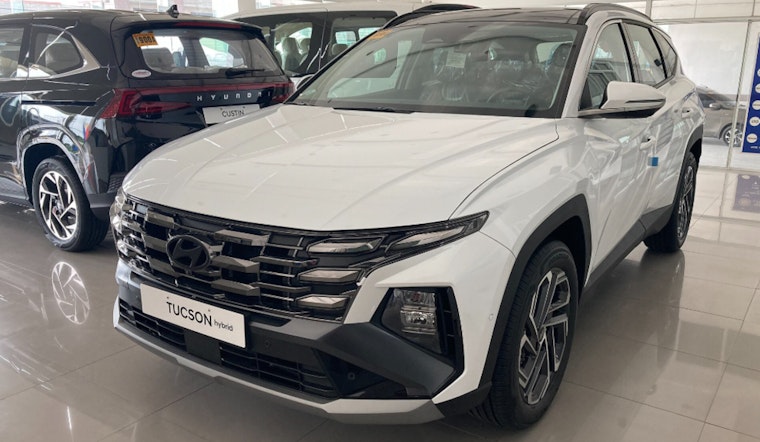
Hyundai Motor is pulling more than 421,000 vehicles back into dealerships across the United States after federal safety regulators flagged a software glitch that can make some models suddenly hit the brakes on their own. The problem traces to the front-facing camera and the car's forward collision-avoidance software, which under certain conditions can mistakenly trigger emergency braking. Hyundai says it has a software fix ready to go, and owners are being urged to find out if their vehicle is affected and book a service visit.
What's being recalled
The National Highway Traffic Safety Administration has opened a recall campaign covering 421,078 U.S. vehicles after determining that a software error in the front camera may cause the forward collision-avoidance system to apply the brakes too early. The recall focuses on certain 2025 to 2026 Santa Cruz, Tucson, Tucson Hybrid and Tucson plug-in hybrid models, and Hyundai dealers will install updated front-camera software at no charge. These details were reported by Reuters.
What owners should do
If you own one of the listed models, your first stop is the official federal recall lookup site. Enter your 17-character vehicle identification number to see whether your car is covered, then follow the instructions to schedule a software update with a Hyundai dealer. The NHTSA recall search lets drivers confirm recall status and locate dealer contacts, and Hyundai's customer service line can walk you through any questions about timing or safety concerns.
For the recall registry and step-by-step information, see NHTSA and the dealer guidance summarized by Cars.com.
Hyundai's recall streak
This is not Hyundai's only trip to the recall well this week. Regulators and the company also called back 54,337 Elantra Hybrid vehicles because a hybrid power-control unit can overheat, creating a fire risk. That earlier campaign and Hyundai's outlined remedy were detailed in coverage of the hybrid headache as well as by national outlets including Car and Driver. Taken together, the back-to-back recalls highlight how software issues and electrified powertrain hardware are keeping modern automakers busy with service campaigns.
Why this matters
Automatic emergency braking is designed to save you from a crash, not startle you into one, and false or premature activations can be dangerous. A car that slams on the brakes unexpectedly at highway speed can set up a rear-end collision or other secondary crash in a hurry. That is one reason regulators have been zeroing in on advanced driver-assistance systems, publishing a multi-year roadmap for testing and rating ADAS performance and updating New Car Assessment Program criteria to make sure sensors and software behave reliably in real-world traffic.
For drivers, though, the playbook is simple: check your VIN, get the dealer to install the software fix and report any episodes of abrupt or unexplained braking to both your dealer and NHTSA. Hyundai says the repair will not cost owners anything. Until the update is installed, anyone experiencing odd braking behavior may want to minimize use of the affected driver-assistance features and treat the system with extra caution.





.jpg)