

























































Six months after federal agents swept into Charlotte in an operation locals dubbed "Operation Charlotte's Web," stretches of the city's immigrant-heavy business districts are still struggling to shake the shock. Shopkeepers and restaurant owners say the crowds that used to pack their dining rooms and storefronts at midday never really came back, leaving quieter sidewalks and shortened hours in their place.
A May 21 feature from Bloomberg dug into foot-traffic and sales data and found that visits to businesses in the hardest-hit neighborhoods stayed depressed for months after the deportation raids. The report pairs those numbers with interviews from owners who temporarily closed or cut hours and concludes that the downturn has dragged on longer than many of them ever anticipated.
The Department of Homeland Security launched the sweep in mid-November 2025, deploying Border Patrol and other federal agents around the metro area in an operation officials said was aimed at criminal offenders. Reuters reported that roughly 130 people were detained in the first 48 hours and that the heavy federal presence quickly drew protests and sharp criticism from local leaders.
Central Avenue’s Immigrant Corridor Still Reeling
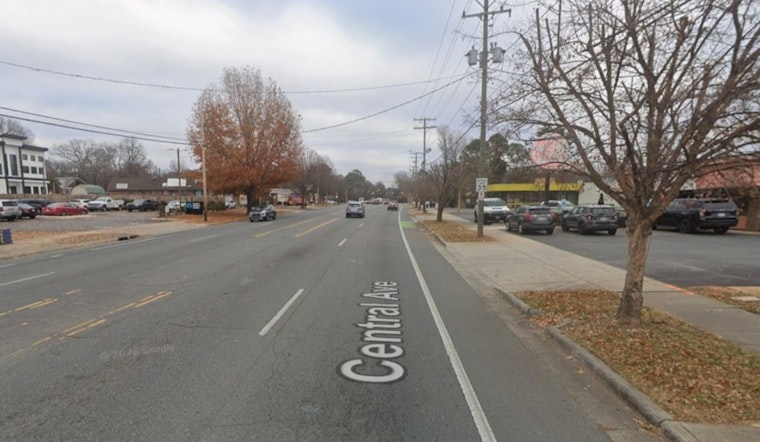
Along roughly a one-mile stretch of Central Avenue, a corridor of strip malls and apartment complexes where many storefronts are immigrant-owned, business owners say the streets emptied almost overnight once word spread that agents were in the area. Manuel "Manolo" Betancur shut down Manolo's Bakery for the first time in 28 years during the raids and told local reporters he closed to "protect my customers and my family," with supporters gathering outside the shop, according to the Charlotte Observer.
Why the Slump Has Not Let Go
According to Bloomberg, the damage was not just a brief shock. Fear kept regulars at home, and staffing gaps left some businesses too short-handed to keep normal hours. That mix of fewer diners and fewer workers pushed already thin-margin restaurants and shops into a persistent slide, while the political fight over the operation added weeks of uncertainty, Reuters reported.
For many owners, those small margins simply disappeared. Charlotte-Mecklenburg Schools logged more than 27,000 absences the Monday after agents arrived, a sign that the unease reached deep into households and workplaces alike. Community groups responded by organizing food deliveries and legal hotlines to support families, according to local reporting by the Charlotte Observer. For small-business owners along Central Avenue, the data highlighted by Bloomberg matches what they see in their registers: the hits from November have not fully healed.





