

























































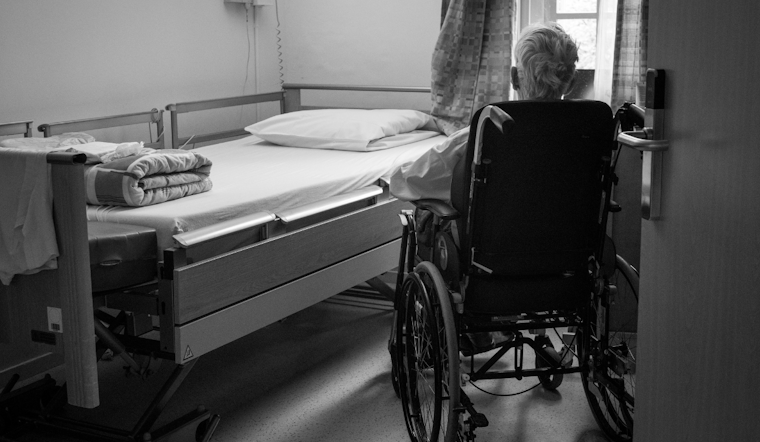
Nearly a decade after Hurricane Irma exposed deadly flaws in how Florida's long‑term care facilities handle power outages, state regulators and nursing home operators say they are heading into hurricane season far better prepared. New rules, routine drills and big investments in backup power are now standard at many nursing homes and assisted‑living communities. Still, emergency managers warn that a plan sitting in a binder is useless if it is not practiced, inspected and fully supported before a storm hits.
"We need to check on every single assisted living facility and nursing home," Seminole County emergency management director Alan Harris told the Orlando Sentinel in an Associated Press dispatch on 2026 preparations. Harris and other local officials said their focus is on confirming that emergency plans and backup systems actually work in real life, not just on paper.
What the rules require
Florida law now requires licensed nursing homes to have alternate power sources and detailed emergency‑power plans that can keep indoor temperatures at or below 81°F for at least 96 hours after losing electricity. The Florida Administrative Code's rule Florida Administrative Code sets that standard and requires county emergency‑management review before a facility's plan goes to the state agency. The Agency for Health Care Administration states that failures to comply can lead to fines, suspensions or even license revocation.
The tragedy that prompted the change
The tougher regulations followed the deadly aftermath of Irma, when power failures at some South Florida facilities left residents in stifling heat and triggered criminal and administrative investigations. Coverage at the time documented temperatures inside certain units climbing into the upper 90s, and officials ultimately tied many post‑storm deaths to overheating at the Rehabilitation Center at Hollywood Hills, according to WLRN. Public outrage helped push emergency generator requirements into law in 2018, WUSF/News Service of Florida reported.
Evidence that preparedness saves lives
Researchers later put numbers to the risk. A cohort study published in JAMA Network Open found that nursing home residents exposed to Hurricane Irma had significantly higher odds of hospitalization and death in the 30 and 90 days after the storm compared with a similar group of residents who were not exposed. The authors said the findings underline why emergency power and continuity of care are critical for frail, long‑stay residents.
How facilities are changing on the ground
Central Florida operators say their hurricane routines look very different now. Eloise Abrahams, director of Guardian Care in Orange County, told the Orlando Sentinel that Guardian Care reviews a comprehensive emergency‑management plan at least once a year and sends it to county emergency management for approval. Residents such as Willie Graham said they feel confident in the facility's storm readiness, and managers described regular staff training along with frequent checks on generators and fuel supplies.
Gaps that remain
Even with tougher rules, compliance has been uneven. Local investigations found many homes were slow to install permanent generators or secure long‑term fuel contracts, according to FOX 35 Orlando. County and state officials say they continue to track progress and enforce the requirements. For families, that lagging reality translates into a need to ask pointed questions about a facility's emergency plan long before a storm shows up on the radar.
What families should ask
Emergency managers recommend two basic checks for relatives. First, confirm that the facility's emergency‑power plan has been approved by county emergency management. Second, ask whether the building can keep indoor temperatures at 81°F or lower for at least 96 hours after a power loss. The Agency for Health Care Administration posts guidance and contacts for questions about the emergency rules on its website. If the answers from a facility are vague or unconvincing, officials suggest families line up contingency relocation plans well ahead of hurricane season.



