

























































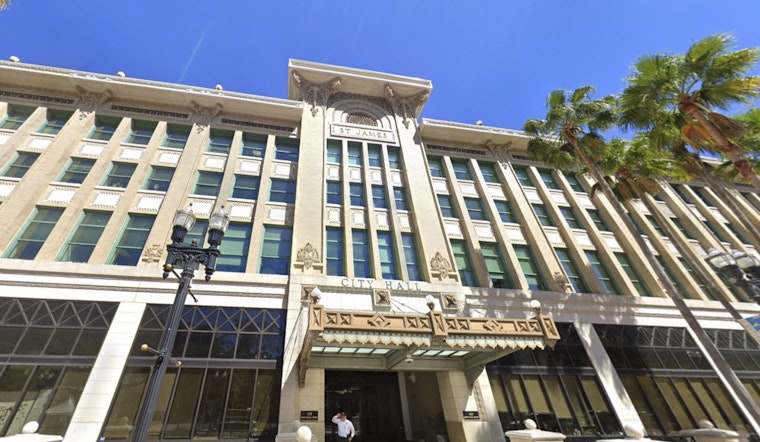
A push to speed up zoning decisions in Jacksonville is stirring up a fight over how much say neighbors should have in what gets built on their block. A new ordinance from City Council member Rory Diamond would overhaul how the city handles administrative zoning deviations, cutting some public hearings, tightening notice to nearby owners and putting planners on a 30-day deadline that can end in automatic approval if staff does not act. Backers say it is about unclogging the pipeline for infill and affordable housing. Critics see public input getting squeezed.
What the ordinance would do
Ordinance 2026-0364, filed by Diamond, would shift more power to the Planning Department by allowing staff to grant administrative deviations without the informal public hearing that is currently required, according to Jax Daily Record. The proposal would also shrink the mailed-notice radius from 350 feet to 300 feet around the applicant’s property.
Under the bill, planners would have 30 days to approve or deny an application. If they do not reach a decision in time, the deviation would be approved automatically, the outlet reported. Diamond told the paper the goal is to “make administrative deviations administrative” so that infill residential projects move through the system faster.
How the rules work now
Current law puts the Zoning Administrator at the center of the process. The administrator must hold an informal public hearing and see that mailed notices reach property owners within 350 feet of the site, as laid out in the Jacksonville Ordinance Code.
The code requires the Zoning Administrator to make positive findings on six specific criteria before granting a deviation, ranging from whether there are practical or economic difficulties to whether the request is in harmony with the spirit and intent of the zoning code. If someone wants to challenge that written decision, the appeal goes to the Planning Commission, which holds a more formal hearing and reviews whether those criteria were correctly applied, according to the same code provisions.
Standards, appeals and the risk of automatic approvals
The city’s fee schedule puts the cost of filing an appeal of an administrative deviation at $650, and the Planning Commission’s appeal procedures would still control formal challenges to staff decisions if the ordinance passes. What has opponents worried is the combination of a tight decision window and an automatic-approval trigger if staff does not act in time. They argue that controversial or incomplete cases could slip through without enough daylight or discussion.
Supporters counter that the current process drags out minor deviation requests and that faster, predictable timelines will cut red tape for small infill housing projects that already meet the broader goals of the city’s zoning plan.
Why opponents say it shuts out neighbors
Planning Commission Chair Moné Holder told the paper that community participation in public hearings is “extremely important” and that taking away that opportunity is “concerning,” according to Jax Daily Record. A city spokesperson also warned that the bill would reduce transparency and would likely send more disputes directly to City Council and its Land Use & Zoning Committee instead of resolving them earlier in the process.
The push to speed approvals is landing just as downtown infill projects such as Cathedral Commons, a 120-unit affordable housing proposal that recently cleared a conceptual design hurdle, move ahead, local reporting notes. Residents and neighborhood groups say any effort to streamline approvals should come with firm guardrails that keep neighbors clearly informed and able to have their say.
The ordinance now heads into a gauntlet of council committee hearings in the coming weeks. Those public meetings, along with any formal recommendation from the Planning Commission, will help determine whether the fast-track changes become part of Jacksonville law or go back to the drawing board.





