

























































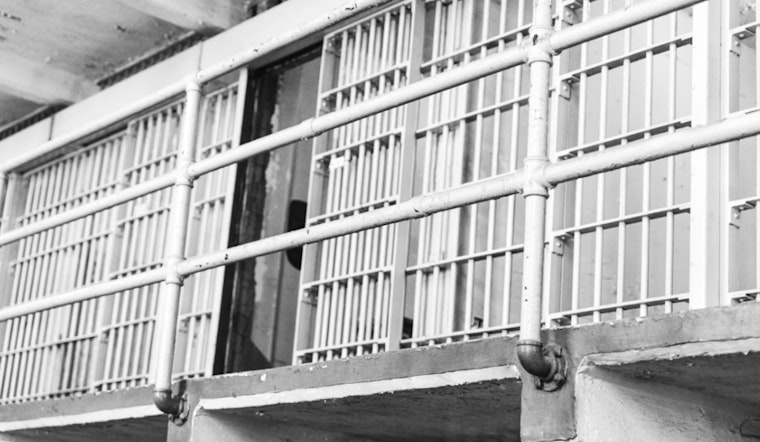
A sweeping investigation has pulled back the curtain on how county jails in South Carolina are functioning as de facto psychiatric wards, leaving people who are too sick to stand trial stuck in cells for months and, in some cases, dying there. The reporting has already worked its way into regional policy debates and caught the attention of Charlotte's public radio station, which aired a segment this week on what the findings could mean for North Carolina's recent pretrial changes.
The Post & Courier's five-part series "Caught in the Cycle" relied on accidentally unsealed psychiatric evaluations and court records to follow defendants who bounced repeatedly between jails and hospitals instead of receiving sustained care, according to the Post & Courier. Reporters described long waits for court-ordered competency restoration and county facilities pushed well past what their medical operations were built to handle.
On May 5, WFAE brought members of the Post & Courier team on the air to unpack the investigation and its regional stakes, including how North Carolina's new Iryna's Law fits into already strained mental health and court systems. The conversation highlighted cross-border policy lessons and pressed why Charlotte officials should not ignore the series' findings, according to WFAE.
What reporters found
Reporters documented dozens of deaths in county jails since 2015, a revolving door of short-term incarcerations for people living with chronic mental illness, and waits that stretched for months for state hospital treatment meant to restore a defendant's competency. The scale of those failures and the legal costs tied to inadequate jail care were laid out in the series itself and in coverage summarizing its toll, while Poynter singled out the project as a major piece of local accountability reporting with statewide implications.
Why North Carolina should pay attention
North Carolina's Iryna's Law, passed by the legislature and signed by Gov. Josh Stein last October, tightened pretrial release rules for many violent charges and pushed new debates about when defendants should be held before trial, according to Associated Press reporting. Those changes, paired with what "Caught in the Cycle" uncovered, raise a pointed question for policymakers: if more people are held pretrial, will local jails end up absorbing defendants who really need hospital-level psychiatric care instead of treatment geared toward incarceration?
Legal and financial stakes
The series also tracks a growing financial hit. Reporters found that state and local governments have paid out millions of dollars in wrongful-death and malpractice settlements tied to detainee care, adding a budget line to what is already a human tragedy. "Our investigation exposed the depth of a growing crisis in our judicial system," Post & Courier executive editor Jeff Taylor said in the paper's release summarizing the work, a statement later echoed in a press recap of the series, according to Holy City Sinner.
What comes next
Reporters and advocates say any real fix will require more psychiatric hospital capacity, faster paths to evaluate and restore competency, and broader diversion programs that steer people with serious mental illness away from jail and into treatment. All of that would need fresh state funding and legislative follow-through. Local leaders in both Carolinas are watching the fallout from the investigation, and the recent broadcast offered Charlotte listeners a primer on which metrics and policy moves to watch next, according to WFAE.





