

























































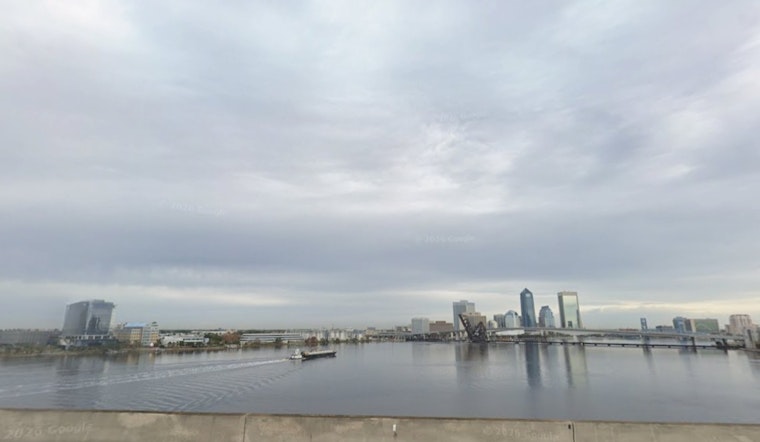
Jacksonville leaders are rolling out a proposed rewrite of the city's 2045 Comprehensive Plan that would carve out new "target growth areas" where developers can snag higher density and other zoning flexibilities if they build affordable housing or add flood‑resilient infrastructure. The draft is designed to concentrate taller, denser projects along corridors with high‑frequency transit and near the Emerald Trail while largely keeping single‑family neighborhoods off the table. Backers say the strategy is about cranking out more housing and cutting future flood exposure as the region keeps growing.
Planning Department Director Helena Parola told the Planning Commission the change "would accommodate growth, lower flood risk and allow housing opportunities to be connected to transit," and Council member Chris Miller said Jacksonville needs places for incoming employees to live. The proposal would set up target growth areas inside the city's Urban Priority and Urban Development Areas that the Office of Resilience determines are at lower flood risk and within a half‑mile of high‑frequency transit, as reported by the Jax Daily Record. The city’s 2045 plan estimates Jacksonville will need roughly 92,282 new housing units between 2020 and 2045, and a University of Florida study projects Duval County could reach about 1.29 million people by 2050.
What the ordinance would allow
The draft text filed with the city spells out a menu of incentives for properties inside the target growth areas, including higher maximum gross densities, smaller minimum lot sizes, more building‑height flexibility, higher lot coverage and breaks on parking requirements, generally in places served by centralized water and wastewater. The transmittal document shows that some sites in the Urban Priority Area within a target growth area could qualify for density increases into the dozens of units per acre, with medium‑density caps that can climb into the 40s and high‑density scenarios that could go higher under specific conditions. Those benefits would still depend on meeting standards in the Land Development Regulations and would not apply in Coastal High Hazard Areas or where existing zoning overlays are already in place, according to the City of Jacksonville.
How the tradeoff would work
Those zoning perks would only kick in after a developer commits to either affordability or resilience measures spelled out in the ordinance. The proposal defines affordable housing as "housing that costs 30% of the household's income" and offers options that include reserving 20% of rental units for households at or below 100% of area median income or making 20% of for‑sale units available to households at 140% of area median income. On the resilience side, the menu includes steps such as requiring half of hardscape to be permeable, using bioretention on 75% of planting areas, meeting an on‑site renewable energy threshold, shading 40% of surface parking, or retaining the first three inches of rainfall, as laid out in the city's filing with the City of Jacksonville.
Why the city says it matters
City planners frame the package as a proactive attempt to steer growth toward areas that can handle it while limiting future flood exposure. In a staff presentation, the Planning Department warned that without updated rules, hundreds of thousands of residents could face expanded flood risk by midcentury and noted that more than 6% of Jacksonville homes already sit at high risk, points summarized for the public by the Jax Daily Record. The outlet also reports that the U.S. Department of Housing and Urban Development lists the Jacksonville area median income at about $108,700, a figure the city uses to set the ordinance's income bands for its affordability options.
The proposal now heads into the city’s review gauntlet, with stakeholders ready to sound off at upcoming hearings. Supporters argue the plan gives developers clear rules to bring more housing close to transit and build it to better withstand climate impacts, while critics worry the incentives could speed infill in spots where roads, pipes and services already feel stretched. Expect that tug‑of‑war to play out at the Planning Commission and Land Use & Zoning Committee before the full City Council takes a final vote.




