

























































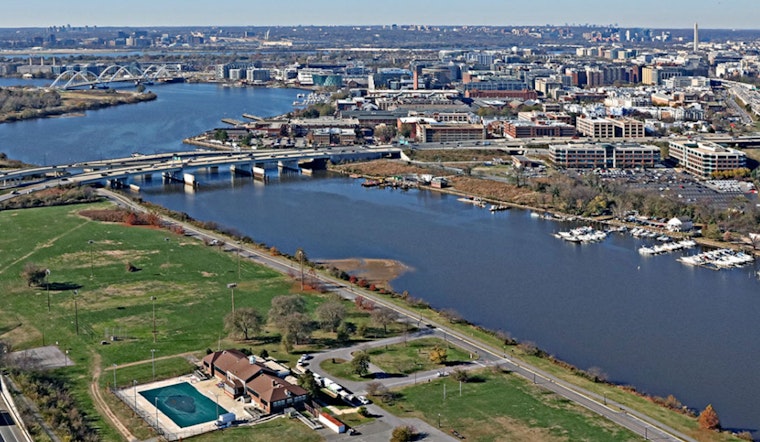
Boat owners along the Potomac and Anacostia are staring down what could be a rare midsummer shutdown of big chunks of both rivers, as planners line up an unprecedented July Fourth fireworks blowout. Sources familiar with the planning say barges and expanded safety zones could push much of the usual on-the-water viewing crowd off the rivers and onto the National Mall, clogging one of the region’s busiest boating days. Marina operators warn that even a one-day cutoff would batter fuel sales, restaurants and slip fees during a weekend they count on for crucial summer revenue.
Multiple planning sources told NBC4 Washington that "larger-than-normal portions" of the Anacostia and Potomac, including areas near Poplar Point, could be off-limits to boaters to make room for extra barges and firing zones. A longtime slip-holder at Columbia Island Marina told the station he has heard talk of multiple barges and roughly 800,000 shells and worries the waterway could be shut down for the day. Organizers have not released a full map of firing sites or safety-zone coordinates yet, according to the report.
Planned Show Would Be Far Bigger And Longer
Freedom 250, the White House-backed initiative organizing America’s 250th celebrations, says it plans a record-smashing fireworks display centered on the National Mall, according to the White House. The Washington Post has reported that organizers hope to exceed the current world record of roughly 809,000 shells and that the Mall finale could last as long as 45 minutes, far longer than the usual show of about 17 minutes.
How Closures Would Be Enforced
The U.S. Coast Guard can create temporary safety zones that keep vessels away from waters around fireworks barges, and it routinely lays out enforcement notices and coordinates in the Federal Register and Local Notices to Mariners. A recent Coast Guard notice establishing a Wharf-area safety zone shows how the agency can bar vessel entry within specific radii and provides contact information for the Captain of the Port; see the Federal Register.
Marina owners say the timing could be brutal for working waterfronts. One longtime boater told NBC4 Washington that losing slip traffic, fuel sales and food service on the busiest boating day of the year could cost a single marina tens of thousands of dollars, estimating roughly $50,000 in losses for one holiday.
Do Fireworks Harm Rivers?
Studies show fireworks can leave perchlorate, metals and other residues that fall back to earth and can wash into nearby rivers and streams after rain, producing short-term spikes that researchers track following large shows. For more detail, see EPA/CLU-IN and related work in ScienceDirect documenting perchlorate loading in surface waters after fireworks events.
What Boaters Should Watch For
Anyone planning to be out on the Potomac or Anacostia on July 4 is being urged to keep a close eye on Local Notices to Mariners, listen for Broadcast Notices to Mariners on VHF-FM channel 16 and check Coast Guard enforcement announcements that spell out coordinates, safety-zone radii and any permitted transit windows. The Coast Guard’s rules for recurring fireworks safety zones, available via GovRegs at 33 CFR 165.506, explain how the agency will notify the public and how mariners can ask for permission to enter a zone.
Freedom 250 and federal partners still have details to hammer out, and officials typically publish maps and enforcement times in the days just before the holiday. In the meantime, boaters and marina operators say they want clearer, earlier notice so they can line up alternate viewing plans or reshuffle business schedules and avoid a last-minute scramble that could cost customers and small waterfront businesses over the holiday weekend.





