

























































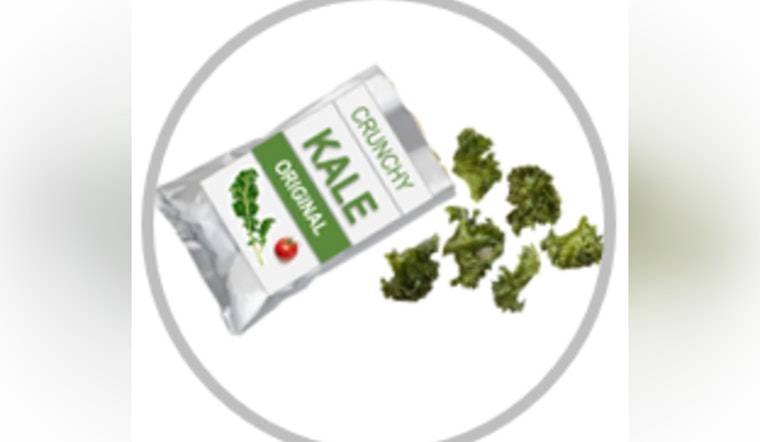
California health officials are sounding the alarm on some popular kale and salad snacks, telling shoppers to steer clear of certain Brad’s Plant Based products after state lab tests found elevated levels of thallium, a toxic metal that can cause nerve, gastrointestinal and heart problems. The advisory, issued Tuesday, May 19, 2026, urges consumers not to eat the flagged items while investigators push the manufacturer to voluntarily recall specific lots. For now, officials say those packages are still on store shelves, and they are telling people to toss the snacks or return them for a refund.
What products are affected
The state’s warning covers multiple Brad’s Crunchy Kale flavors, including Original, Vampire Killer, Cheeze It Up, Nacho and Radical Ranch, as well as Brad’s Balsamic and Ranch Salad Snacks and Brad’s Veggie Chips Kale. The items have been sold at major retailers across Southern California and other regions. The California Department of Public Health says it asked the manufacturer to voluntarily recall the affected lots, but the company has not removed the products from the marketplace, according to MyNewsLA.
A longer history with kale chips
This is not the first time kale chips have landed in thallium-related hot water. In 2022, the California Department of Public Health investigated a household cluster with elevated urine thallium levels that appeared to be linked to regular kale chip consumption. After the family stopped eating the product, their thallium levels dropped. Public health researchers later published an analysis calling for stronger surveillance and more toxicology work because thallium is not well studied and there are no established food safety thresholds. The investigation and follow-up research are detailed by the California Department of Public Health and a 2025 paper in the International Journal of Environmental Research and Public Health.
How the current probe unfolded
According to CDPH, the latest inquiry started in January, when a person with elevated thallium levels reported regularly eating Brad’s kale products. That tip spurred laboratory testing of snacks pulled from retail stores in the Sacramento area, where officials say they confirmed concerning thallium levels in product samples. The agency says it instructed the manufacturer to voluntarily recall the affected lots but reports that the items remain on sale. CDPH also says it is working with the U.S. Food and Drug Administration and Pennsylvania officials, since the products are distributed from Pennsylvania and contain ingredients labeled as products of Mexico. The manufacturer did not immediately respond to requests for comment, per MyNewsLA.
The company and where the snacks come from
State records and notices identify Snack Right Super Foods, Inc. and Brad’s Raw Chips LLC as the companies behind the Brad’s brand. A March Proposition 65 60-day notice also raised heavy-metal concerns about Brad’s Crunchy Kale, according to the California Department of Justice. On its own website, the company lists the Crunchy Kale and Salad Snack product lines and directs customers to contact [email protected] for support via its Brad’s Plant Based page. The brand is carried through national distributors and major retailers, which means shoppers are still seeing the products in stores even as government alerts urge caution. That mix has left retailers and customers trying to follow safety guidance while staring at fully stocked shelves.
Health risks and what to do
Health officials warn that high thallium exposure can trigger hair loss, numbness or pain in the hands and feet, gastrointestinal issues and cardiac effects. Anyone who has eaten the listed products and is feeling unwell is urged to contact a health care provider right away or call Poison Help at 1-800-222-1222. Immediate guidance is also available at PoisonHelp.org. CDPH and public health researchers say more testing and surveillance are needed to figure out how often thallium shows up in leafy-green snacks and what levels should lead to regulatory action.



