

























































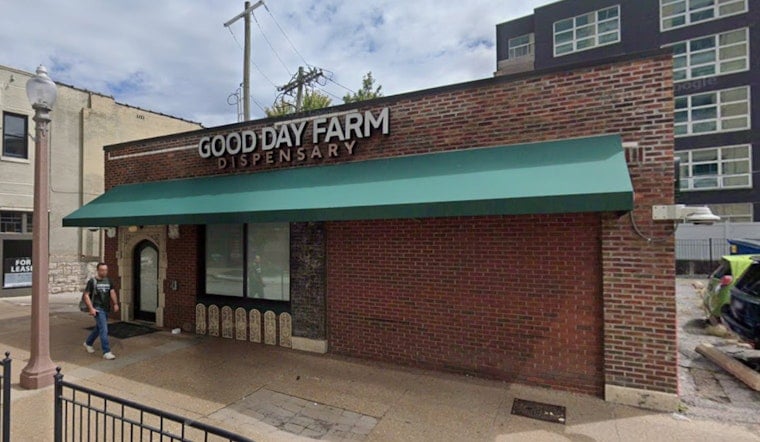
Two Missouri cannabis wholesalers have hauled Good Day Farm and a cluster of affiliated retail brands into court, accusing them of running an illegal "cartel" that dominates a large share of the state’s dispensary market. In a class action filed Tuesday in Jackson County, the plaintiffs say the setup has driven down wholesale prices and squeezed independent cultivators and manufacturers across Missouri. They are asking a judge to shut the arrangement down and award damages and injunctive relief they say would restore competitive pricing.
The 158-page complaint, filed electronically on Tuesday in the 16th Judicial Circuit Court in Kansas City, was brought by GF Saint Mary LLC (d/b/a VIBE Cannabis) and CPC of Missouri–Smithville LLC on behalf of similarly situated wholesalers, according to the court filing. The petition is captioned CPC of Missouri–Smithville v. Good Day Farm and is docketed as case no. 2616‑CV145502.
According to a press release from the plaintiffs' legal team, the suit labels the group the "GDF Cartel" and claims it exercises effective control over at least 61 dispensaries operating under five brand names: Good Day Farm, CODES, Greenlight, Fresh Karma and 3Fifteen Primo, giving the network outsized leverage over roughly 224 licensed stores statewide, according to PR Newswire. PR Newswire also reports the network accounts for about 40% of wholesale purchases and has pushed down wholesale prices by more than 20%.
Good Day Farm disputes the allegations. A spokesperson told KCTV the claims are "baseless and without merit" and said the company "operates in full compliance with all applicable Missouri state laws and regulations." The spokesperson added that Good Day Farm will "vigorously defend" its record while continuing operations at its retail outlets.
What the suit alleges
The filing accuses Good Day Farm and dozens of affiliated LLCs of using investor-backed "verticals" to collect retail licenses while obscuring common control, then coordinating purchasing decisions and shelf placement to favor the network’s own products. The complaint names numerous retail and wholesale entities and points to internal investor documents and a company employee post that plaintiffs say show deliberate coordination.
Legal implications
At its core, the case mixes state antitrust theory with a constitutional argument. The plaintiffs contend the arrangement violates Missouri's limit on entities under "substantially common control" holding more than 10% of dispensary licenses and therefore unlawfully distorts the market. The complaint asks the court for injunctive relief to stop coordinated purchasing and stocking, along with damages on behalf of a proposed class of independent wholesalers. If the judge certifies the class, the litigation could pull numerous smaller disputes into a single courtroom fight over how Missouri's post-legalization cannabis market is structured.
What's next
The case is now pending in the 16th Judicial Circuit in Kansas City and is expected to move through initial service and any early motions from the defendants, according to the plaintiffs' announcement. PR Newswire reports that plaintiffs' counsel have invited similarly situated wholesalers to join the litigation, while Good Day Farm says it will continue to contest the claims.





