

























































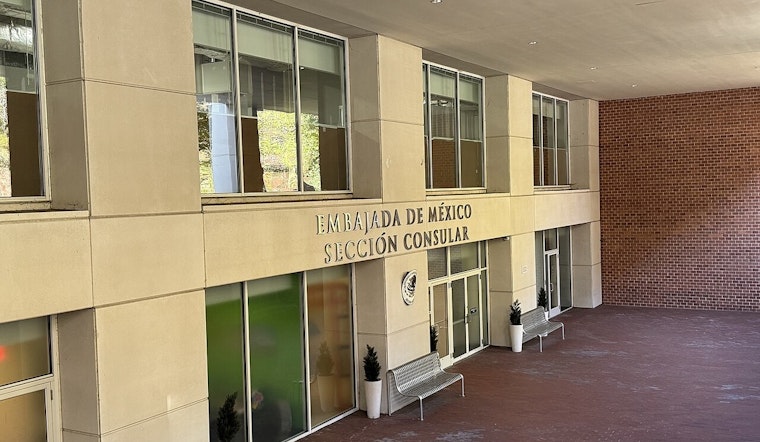
In Los Angeles, a visit to the Mexican consulate usually means renewing a passport, registering a child’s birth or scrambling for legal help for a detained relative. Now those everyday errands feel a lot less routine after the U.S. government announced it is reviewing Mexico’s diplomatic posts across the country, a move that has rattled immigrant families, consular workers and legal-aid groups. Community leaders say that even the hint of possible closures is already stirring confusion at offices that serve thousands of people every week.
What the U.S. said
The State Department has confirmed it opened a review of Mexican consulates to make sure diplomatic ties line up with the administration’s priorities, according to CBS News. Officials have described the process as a routine reassessment, but they have not said what exactly will be examined or how many posts, if any, could be recommended for closure.
Mexico’s response
Mexico’s president has pushed back on claims that consulates are dabbling in U.S. domestic politics, calling the allegations "completely false," according to the Associated Press. Mexican officials are stressing the consular network’s core mission of defending citizens, providing documents and offering legal assistance, and they warn that shuttering offices would strip vulnerable families of essential services.
Why this matters in California
California is home to nearly 13 million people of Mexican descent, and immigration researchers say a significant share of the state’s residents are undocumented. The Migration Policy Institute tracks detailed state-level profiles of unauthorized populations. Nationally, the Pew Research Center notes that millions of Mexican-born people live in the United States without authorization, underscoring how many households lean on consular services for paperwork, legal referrals and a basic sense of protection.
What prompted the review
Diplomatic tensions between Washington and Mexico have been rising after a string of flashpoints, including the April deaths of two U.S. officials during an anti-narcotics operation in northern Mexico and recent U.S. indictments of Mexican officials that have strained cooperation, Los Angeles Times reports. The review has folded into broader media and political debates about what consular networks are doing inside U.S. communities, a narrative that Mexican leaders and outside analysts firmly dispute.
Diplomatic fallout and precedent
Shutting down a foreign consulate is rare and comes with diplomatic costs. Past U.S. moves have included the 2020 closure of China’s Houston consulate and earlier restrictions on Russian posts, steps that ratcheted up friction with both countries. CBS News notes the United States has historically used such measures as a pressure tool, which is why community groups warn that any closures could set off a chain reaction of problems for the people who depend on these offices.
Voices at the Los Angeles consulate
At a recent public forum in Los Angeles, Mexico’s top diplomat in the city called the idea that consulates are "playing politics" in the United States unfounded and defended day-to-day consular work, the Associated Press reports. Consular officials described regular outreach to local detention centers and weekly forums where people air legal and family concerns, services that advocates say would be extremely difficult to replace if offices are scaled back.
What to watch next
The State Department has not released a timeline for the review and has declined to spell out the criteria that might lead to closures, according to reporting from CBS News. In Los Angeles, local immigrant-rights organizations say they are gearing up to press officials for answers and to document any harm to people who rely on consular help, while diplomats and lawyers on both sides of the border keep a close eye on what Washington and Mexico City decide to do next.





