

























































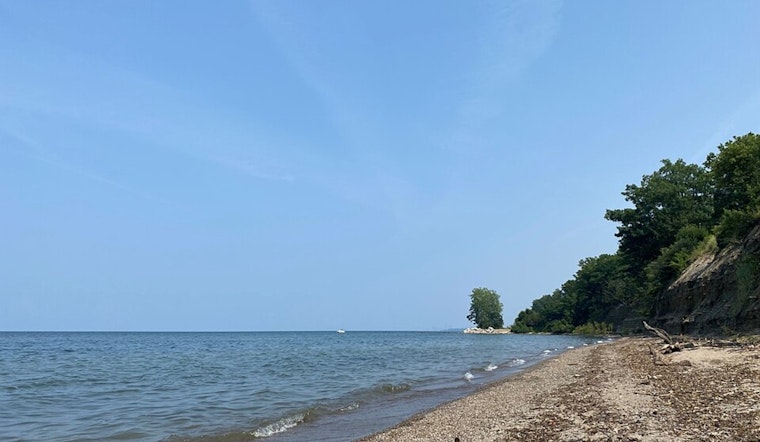
Lake Erie may look like it is ready for summer, but federal forecasters say it is still running dangerously cold along the Lorain to Cleveland shoreline, with surface readings stuck in the low 50s. That kind of chill can turn a slip on a wet rock or a quick dip into a life-or-death situation, as cold shock and rapid loss of muscle control can overwhelm even strong swimmers in just minutes. The bottom line for beachgoers and boaters: treat the lake like it is still winter-cold, not backyard-pool warm.
According to the National Weather Service in Cleveland, surface temperatures between Lorain and the Cleveland lakefront were about 52°F on May 6, and the office has posted safety guidance for anyone heading near the water. As reported by the Morning Journal, forecasters warn that May is one of the most deceptive months, since the air can feel like spring while the lake lags far behind. The agency’s Lake Erie temperature page shows readings still well below what most people consider comfortable swimming conditions this week.
Cold Water Risks And What Experts Say
Cold-water safety experts are blunt about it: sunshine and blue skies do not warm the lake nearly as fast as they warm your skin. The National Center for Cold Water Safety advises treating any water colder than 70°F with real caution, and notes that the most dangerous mix of cold shock and muscle failure typically kicks in when water is in the 50 to 60°F range. That means paddlers, anglers, and anyone who might end up in the lake should plan on thermal protection and a properly fitted life jacket instead of just shorts and optimism.
How Cold Shock And Hypothermia Work
Medical and heart specialists explain that the first threat after a sudden plunge is the cold-shock response, which can trigger a huge gasp, uncontrolled rapid breathing, and a spike in blood pressure that can lead to drowning or heart problems. American Heart Association News reports that immersion in water below roughly 60°F can bring on that reaction, and people with heart conditions are at especially high risk. If the person is not pulled out and rewarmed, hypothermia can set in quickly as the body keeps losing heat to the water.
If Someone Falls In: Steps To Take
Guidance cited by Morning Journal from the National Weather Service urges bystanders to call 911, get the person out of the water as fast as possible, remove wet clothing, wrap them in dry blankets, lay them face up, and offer warm, non-alcoholic drinks while waiting for emergency crews. The Cleveland Clinic notes that hypothermia is defined as when the core body temperature drops below 95°F and recommends gradual rewarming and immediate medical care for moderate or severe cases. Calm, quick action from people nearby can be the difference between a scare and a tragedy.
Where This Matters Locally
The warning is aimed squarely at the northern Ohio shoreline from Vermilion and Huron through Avon Lake and Lorain, where public beaches, marinas and ramps start filling up as soon as the air turns mild. Ohio’s slice of the Lake Erie coast runs roughly 312 miles, and state planning documents highlight how much of the region’s recreation and infrastructure hugs that shoreline. NOAA/NCEI temperature records show the lake usually warms into the low to mid-70s by midsummer, but along much of the nearshore, it stays cold and risky well into late spring.
Tips For Boaters And Beachgoers
Safety officials keep the advice simple: wear a U.S. Coast Guard approved life jacket, file a float plan, so someone knows where you are headed, and dress for the water temperature, not just the air. The U.S. Coast Guard and other safety groups repeatedly stress that life jackets dramatically improve survival odds in cold water incidents. The National Center for Cold Water Safety also encourages carrying a way to warm up quickly once you are back on shore and avoiding solo, unsupported outings while the lake is still frigid. If you have any doubt about conditions, the safest choice is to wait until water temperatures climb and local officials say swimming and paddling are in season.
Before heading out, check local marine forecasts and the National Weather Service Lake Erie temperature pages, pack extra warm layers and a throw rope or flotation aid, and call 911 right away if someone is unresponsive after going in. In May, Lake Erie often wins the fight against overconfident swimmers, so a cautious approach is not overreacting, it is smart.





