

























































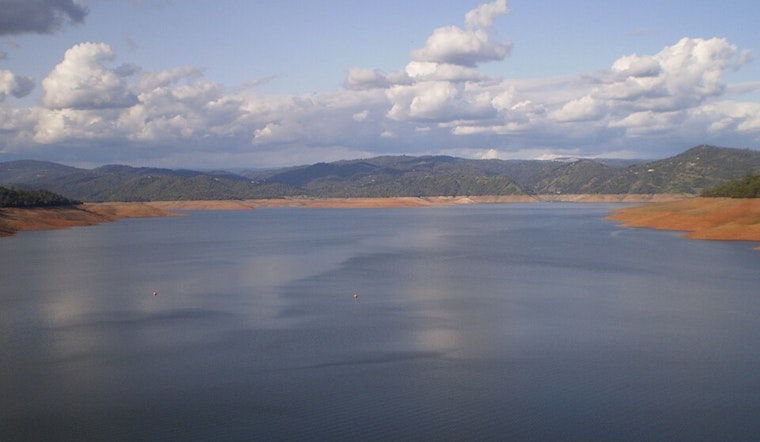
As of yesterday, Lake Oroville, the braided reservoir behind the towering Oroville Dam, had swelled to roughly 99 percent of capacity and was still rising. After a wetter-than-average Sierra snowmelt and spring runoff, California’s second-largest reservoir is now just inches from full pool.
That 99 percent figure, along with the detail that the lake needs only about two feet to fill completely, appeared in yesterday's report by Paul Rogers for The Mercury News. Regional reporting and operational bulletins had already flagged the steep rise earlier in May, with the Water Education Foundation's Aquafornia feed noting that Oroville was nearing full as managers dialed back Feather River releases to maximize the water they could hold.
How Big Oroville Is And Why It Matters
When filled to the top, Lake Oroville can hold roughly 3.5 million acre-feet of water, stretches about 10 miles in length and has nearly 167 miles of shoreline. Oroville Dam rises roughly 770 feet above the river. As the anchor of the State Water Project, Oroville helps supply water and hydropower across much of California. The California Department of Water Resources says the project serves roughly 27 million people.
An Unusual Run Of High Storage
Having Lake Oroville this full, this often, is not routine. Jeffrey Mount, professor emeritus at UC Davis, told The Mercury News that it is pretty impressive to have it for four consecutive years. It is extremely unusual. Hydrology experts point to a string of wet winters combined with coordinated release decisions as the key ingredients that pushed storage so high this spring.
A Reminder Of The 2017 Crisis
The current high-water mark arrives with a lot of history. Managers and residents still remember the 2017 spillway crisis, when erosion forced the use of an emergency chute, and authorities ordered about 188,000 people to evacuate downstream communities. That ordeal led to a multiyear reconstruction and emergency response effort that state updates and industry reporting put at roughly $1.1 billion in recovery and repair costs.
What Water Managers Are Doing Now
To hang on to as much of this water as possible while keeping flood risks in check, DWR has been trimming releases when conditions allow, aiming to capture every legally and safely storable drop without violating flood-control rules. Tracy Hinojosa, a State Water Project operations manager, told the San Francisco Chronicle that the department is taking advantage of storm-driven inflows to capture as much water as it can while still balancing the need for flood space and required fish flows.
What To Watch Next
Operators will be watching incoming runoff, downstream river gauges and seasonal forecasts as they decide how much water to hold and how much to release. DWR posts regularly updated storage numbers and forecast products that reflect those trade-offs. For now, the headline is simple enough: a very wet spring has shifted Oroville from drought-era worry into a supply-boosting posture. Whether it reaches the true full pool and how long it stays near the brim will depend on how carefully managers walk the line between capturing water and preserving flood-control space.





