

























































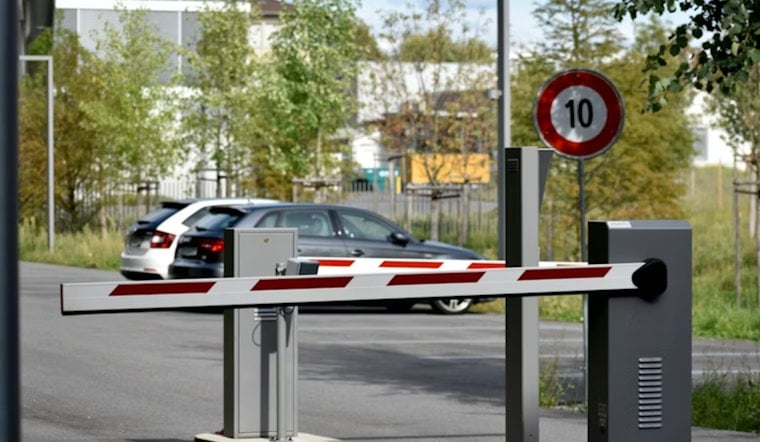
No, you are not imagining it. Chicago Park District has started rolling out automated gates and license plate readers at multiple lakefront parking lots, turning what used to be free-to-sit spots into drive-through, pay-by-plate territory. Stick around longer than a 15 minute grace period and you can now be billed automatically. Park officials say the tech upgrade will modernize how parking is enforced along the lakefront, while some nearby residents see it as one more obstacle between lower income Chicagoans and the beach.
According to a Chicago Park District memo posted by the Jackson Park Advisory Council, the district is deploying a system called "Metropolis Vision" that uses cameras and lift arm gates to create a checkout free "drive in, drive out" setup. The memo notes that the new hardware replaces older systems, does not alter current parking rates and spells out a 15 minute grace period for drop offs and pick ups. It also lists which lakefront lots were slated for upgrades.
Axios reports that the gates are now switched on at 10 lakefront locations, and park officials told the outlet they expect the automated system to bring in about $9.4 million in revenue this year. Axios reporter Monica Eng tried out the system at Foster Beach and described getting a text message asking for payment shortly after she drove through the lot. Park district officials told Axios that "Lakefront parking lots have been paid lots since May 2009" and said the changes "modernize how payment is managed and enforced."
Locals started noticing the new hardware earlier in April. CBS Chicago reported that its Skywatch team spotted gates at eight beaches and captured plenty of irritation from residents. Interviewees complained that even quick visits, or simply sitting in a parked car to stare at the lake, might now come with a bill. One person told CBS, "It's crazy that we got to pay to look at the water."
Which Lots Were Affected
Between park district documents and media coverage, a long list of popular access points appears in the upgrade plans. The lots identified include North Avenue Beach, Waveland, Wilson & DuSable Lake Shore Drive, Foster Beach, 55th & South Shore Drive, Oakwood & DuSable Lake Shore Drive, both the east and south Museum of Science & Industry lots, Rainbow Beach north and south, 63rd Street Beach and the Diversey Driving Range, according to Axios. North Avenue already had an older gate, which has now been swapped out for the new readers and software.
How The System Works And How To Pay
The district's rollout materials explain that first time visitors complete a one time sign up by scanning a posted QR code and entering their vehicle and payment information. After that, cameras read license plates on the way in and out, then automatically charge for the time parked. The Chicago Park District's parking portal states that lakefront lots use Pay By Plate kiosks and the Parking.com mobile app for payments by phone, and that Park District lots are managed separately from the city's ParkChicago meters. In district documents, the setup is billed as a "drive in, drive out" system meant to cut down on touchpoints and lines during busy periods.
What Residents Are Saying
Neighbors and park advisory councils argue that the new gates look and feel like an extra barrier in front of public space. CBS Chicago recorded criticism from South Side beachgoers and Rainbow Beach advocates, who voiced concern that even modest parking fees can be a real deterrent for families using the lakefront as a low cost escape. An online petition demanding that the Park District rethink the rollout has been circulating and frames the change as a fairness and access issue for communities that rely on these parks for affordable recreation.
What To Watch This Summer
The Park District maintains that the upgrades are about improving compliance and that the hardware itself does not alter posted rates. What actually happens on the ground this summer, though, will likely be judged on three fronts: how aggressively the new system is enforced, how much revenue it really collects and whether there are visible shifts in who shows up at the lakefront. Drivers who want to avoid surprise charges are being urged to sign up before they go, scan the posted QR codes or use the Park District parking portal to register and pay. For more detail and step by step instructions, visitors can check the parking information on the Park District site along with the district memo outlining the Metropolis Vision program.




