

























































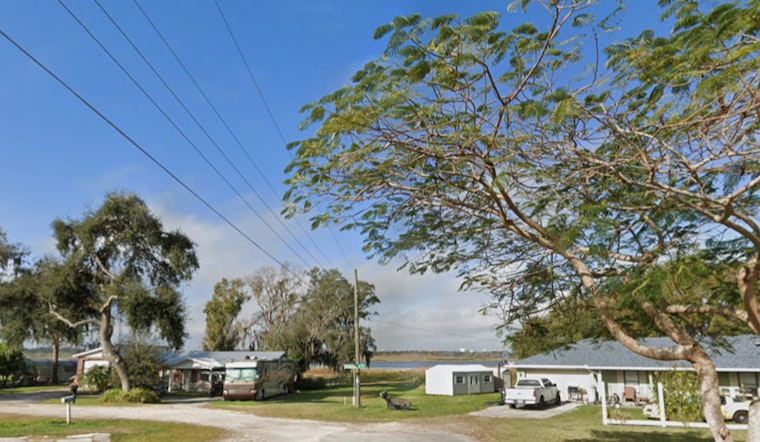
On May 4, Lakeland commissioners signed off on a 10-year stormwater fee hike that city officials say will finally bankroll about $69 million in long-delayed drainage and lake-restoration work. Neighbors around Lake Bonny, still rebuilding after Hurricane Milton’s October 2024 flooding, are not convinced the new cash will stop the next round of high water. City leaders pitched the increase as a way to lock in a stable funding source for repairs and water quality projects.
What the new rate plan does
Commissioners voted 6-1 for a compromise that phases in a $1.17 annual increase for ten years starting Jan. 1, 2027, moving a typical single-family stormwater bill from about $9.72 per month now to $21.42 by Jan. 1, 2036, according to the City of Lakeland. The ordinance spells out a year-by-year schedule and creates a dedicated pot of money for flood protection, drainage upgrades and lake restoration work.
Residents say money will not touch urgent problems
People living around Lake Bonny say a decade-long ramp up does nothing for hazards sitting in their backyards right now. Janise Morsey, whose home was gutted by floodwaters in October 2024, said the surge "destroyed everything" and that trees and debris are still clogging a nearby canal, she told Tampa Bay 28. The outlet also reports the city directed questions about near-term water projects to Polk County, leaving neighbors guessing about when basic canal clearing and maintenance will actually happen.
How the city adjusted the plan
City staff reworked the proposal after pushback from business leaders, landing on a version designed to cover about $69 million in overdue stormwater projects, LkldNow reports. The final plan keeps a 75% credit in place for qualified private retention systems and tweaks the ERU formula used to calculate bills. Supporters said the slower phase-in is meant to keep the rate shock manageable for both residents and local businesses.
Study and emergency measures show risk is real
A 2025 watershed study, backed up by local reporting, found that Lake Bonny’s outfalls, pumps and nearby conveyances could not keep up with heavy storm surges. Extra pumps were brought in after Hurricane Milton by the U.S. Army Corps of Engineers, according to Bay News 9. Polk County has been chasing grant money to launch mitigation projects, and residents argue that clearing out canals and testing backup pumps would give them more immediate protection than waiting on a decade of phased construction. Experts note those short-term moves still depend on multiple agencies lining up funding and logistics.
Politics, price tags and the road ahead
Commissioner Guy LaLonde Jr., the lone no vote, warned that stretching work across 10 years could send total costs spiraling well past today’s estimate and possibly above $112 million if construction and material prices climb, LkldNow reports. Other commissioners defended the package as a compromise they believe residents and businesses can live with. City staff told Tampa Bay 28 that the current stormwater setup leaves only about $700,000 a year for major improvements, and officials say the new fee structure is designed to close that gap.
What residents will watch next
The vote locks in a long-term funding path, but Lake Bonny residents say they will keep pressing for visible short-term fixes before the next rainy season rolls in. City notices show Lakeland has coordinated emergency pumping and backup arrangements with SWFWMD, Polk County and the Army Corps in past flood responses, and that coordination will continue, according to the City of Lakeland. Advocates say grant approvals, canal clearing and on-the-ground pump work will be the real test of whether this 10-year plan can protect neighborhoods in the near term, not just on paper.



