

























































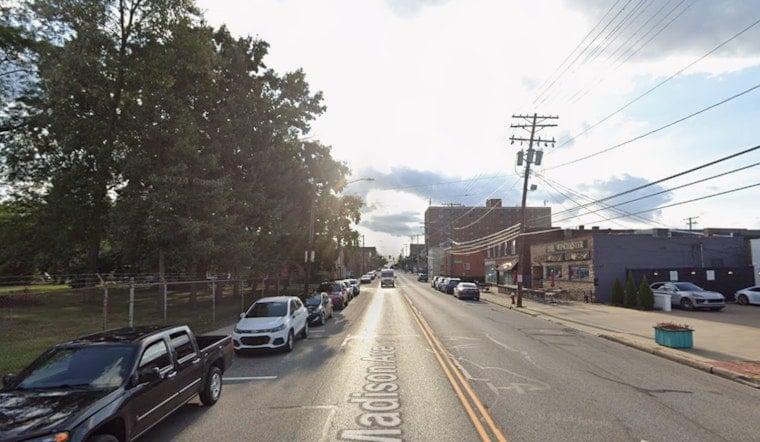
Lakewood officials are taking a big swing at reviving one of the city’s key commercial corridors, moving ahead with a National Register nomination that could turn a stretch of Madison Avenue into a designated historic district. The proposed Madison Avenue Historic District would run roughly from Cohassett Avenue to Riverside Drive, with the aim of preserving and reusing century‑old storefronts instead of watching them slowly fade or get scraped.
Next steps and scope
The city has begun convening stakeholders and plans to hire a consultant later this year to pull together the formal National Register paperwork, according to Cleveland.com. That nomination process does not come cheap: preparing a district application typically runs about $10,000 to $12,000.
To blunt that cost, the city is looking to the Historic Preservation Pipeline Initiative run by the Ohio Department of Development, which offers grants that can cover up to $12,000 for district nominations. The program is designed specifically to offset the up‑front expense of getting buildings and districts ready to qualify for state and federal rehab tax credits.
How the funding works
Lakewood has also tapped into the Certified Local Government grant program from the Ohio History Connection to help pay for the nomination work and related preservation efforts, officials say. Those dollars, combined with the pipeline grants, are meant to make it easier for property owners to line up the tax incentives that can make costly rehabs pencil out.
Local preservation consultant Ian Andrews told Cleveland.com that “without those tax credits the owners couldn’t have made those projects work,” a point city leaders are leaning on as they pitch the district. The thinking is straightforward: knock down the barriers to financing, and those older storefronts stand a much better chance of getting new life.
Local projects show the payoff
Officials do not have to look far for a case study. The former Bi‑Rite building at 12501 Madison Avenue is now in the middle of a multi‑million‑dollar rehabilitation called “The Nest,” a project that has already locked in state and federal historic tax credits, according to City of Lakewood records.
That makeover has become a kind of poster child for adaptive reuse on the corridor, with new investment helping to attract businesses and boost foot traffic, as reported by News 5 Cleveland. Supporters of the Madison Avenue district say projects like The Nest show how historic tax credits can fuel private reinvestment without clearing the block or replacing older buildings wholesale.
What comes next
If the Madison Avenue nomination wins local approvals, it will head to the State Historic Preservation Office in Columbus for a closer look and, if the state signs off, be forwarded to the National Park Service for a final listing decision, in line with the state’s pipeline guidance. That multi‑step review is standard in Ohio and comes with plenty of checkpoints: public hearings, outreach to property owners and commission votes will all factor into whether the proposed district actually lands on the National Register.
City staff say they will pin down a more detailed timeline once the consultant’s initial drafts are in and early‑review feedback starts coming back, setting the stage for what could be a defining debate over how Madison Avenue grows without losing the bones that made it a neighborhood mainstay in the first place.





