

























































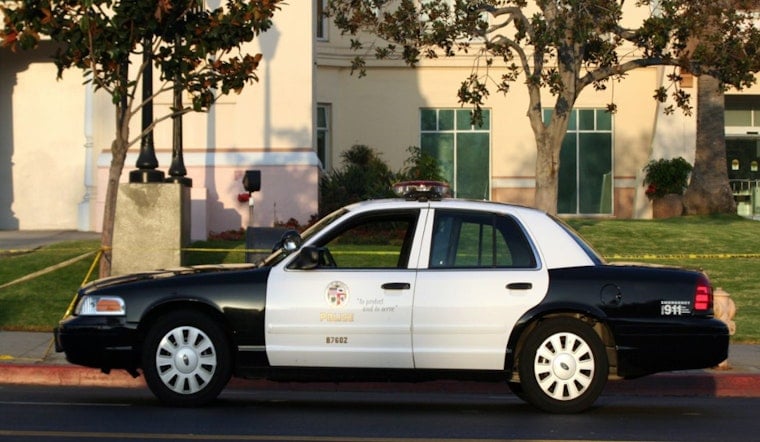
The Los Angeles Police Department is staring down a new lawsuit over its use of Flock Safety’s automatic license plate readers, pulling long simmering privacy worries straight into federal court. Plaintiffs say the cameras and the national database behind them let law enforcement, and at times federal agencies, track drivers across city and county lines without a warrant. City officials say they are reviewing the claims as audits and lawsuits pile up across California.
What the lawsuit says
In a federal class action complaint filed in the Northern District of California, plaintiffs accuse Flock of running a nationwide surveillance network that “amasses” billions of plate scan records and violates California’s ALPR Privacy Act, as detailed in a filing from Class Law Group. The 87 page complaint asks for both damages and court orders that would rein in the system, arguing that Flock’s technology and policies make large scale, warrantless vehicle tracking possible. The suit lists claims that range from alleged violations of the ALPR statute to negligence and invasion of privacy.
LAPD’s role in the plaintiffs’ claims
The plaintiffs say the Los Angeles Police Department, along with several county sheriff’s offices, ran searches of Flock’s database that were used to support immigration enforcement by ICE and Customs and Border Protection. Those allegations helped prompt the Los Angeles Police Commission to request a report and, according to reporting, Chief Jim McDonnell ordered an internal review to determine whether similar sharing happened inside LAPD. The claims echo earlier audits and reporting that raised alarms about out of state and federal access to California drivers’ location data.
Ventura audit and statewide alarm
The lawsuit is arriving just as public disclosures about Flock system settings and logging problems have suggested that access was wider than many agencies believed. An internal review in Ventura County found hundreds of thousands of out of state queries to the county’s Flock network over a short period, and local agencies say they have since tightened settings and audit procedures, according to CBS Los Angeles. That audit is one of several that have pushed cities to pause or cancel contracts while officials press for clearer technical guarantees.
Other legal fights around California
The LAPD case is not an outlier. In April, San Jose residents filed a class action arguing that nearly 500 Flock cameras create unavoidable tracking across the city and asking courts to require warrants before police can search the data, as reported by NBC Bay Area. Plaintiffs in these cases are not just looking for money, they are also pushing for injunctions that would limit how and when agencies may query license plate records. Advocates say the wave of audits and litigation could ultimately force both cities and vendors to accept far stricter controls.
How LAPD is responding
LAPD officials say they are reviewing the allegations and will cooperate with any formal investigations. Chief McDonnell told the police commission he has ordered an internal audit to determine whether inadvertent sharing occurred inside the department, and reporting notes that Flock has acknowledged configuration problems while saying it has added safeguards, according to the Los Angeles Times. So far, the department has not released a public accounting of any searches or results tied to federal immigration enforcement.
Legal implications
California law prohibits sharing ALPR data with out of state and federal agencies and requires agencies that operate plate readers to adopt public usage and retention policies, a framework highlighted in recent enforcement letters and coverage by CalMatters. The Flock complaint leans directly on those limits and asks courts to halt nationwide querying and require stronger safeguards, as reflected in the filing from Class Law Group. A ruling in favor of the plaintiffs could force agencies to suspend contracts, upgrade logging, or adopt warrant requirements for certain types of searches.
Local reaction and next steps
Community groups and immigrant rights advocates say the audits and lawsuits show why public transparency rules matter, and they have pressed city leaders for detailed logs and tougher policies, according to reporting by LAist. City and police oversight bodies have signaled they will be tracking the internal reviews and any court rulings closely, while civil liberties groups argue that litigation may be the surest way to put enforceable checks on these systems. Several other California jurisdictions have already paused Flock deployments while they comb through access logs and configuration settings.
This suit adds another front to a months long statewide fight over who gets to know where Californians drive, and how long that information sticks around. A reporting and video package from CBS News Los Angeles spotlighted the LAPD piece of the story, and officials say the department’s internal audit will be watched closely as the case moves forward. Expect more council hearings, more vendor audits, and potentially court rulings that spell out new limits on how ALPR data can be stored, searched, and shared.





