

























































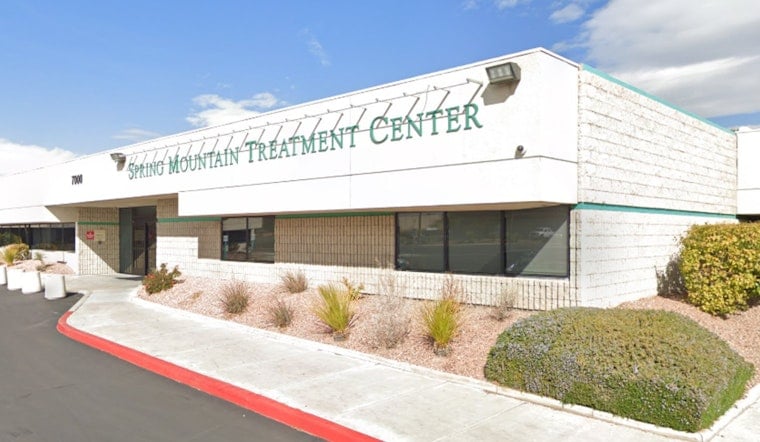
Filed Monday in Clark County, a new lawsuit lays out a grim story: a teenage patient says she was sexually assaulted by a staff member inside Spring Mountain Treatment Center while she was admitted as a minor. The complaint identifies the plaintiff only by her initials and says she was 16 when she entered the Las Vegas residential program, alleging that the abuse continued over roughly a yearlong stay. Her attorneys say staff threatened to tamper with her treatment schedule to keep her from reporting what was happening.
What the complaint alleges
As detailed by the Las Vegas Review-Journal, the complaint says a staffer repeatedly came into the teen's room at night and assaulted her. The filing lays out claims of negligent hiring, training and supervision, intentional infliction of emotional distress and battery, and it alleges that staff threatened to disrupt the patient's treatment schedule if she spoke up.
The suit says the plaintiff, identified as F.D., was admitted to Spring Mountain in 2004 at age 16 and remained there for about a year. It asks the district court to hold both the facility and its corporate owners responsible for what the complaint characterizes as an avoidable pattern of abuse.
UHS, Spring Mountain and the 2020 settlement
On its own website, Spring Mountain describes itself as a 110-bed inpatient behavioral hospital serving adolescents and adults. Valley Health System lists Spring Mountain in its network, and local pages note that the hospital system is operated by a subsidiary of Universal Health Services, a national for-profit operator.
In 2020 the Justice Department said UHS agreed to pay roughly $117 million to resolve False Claims Act allegations that some of its facilities billed for medically unnecessary inpatient behavioral services and failed to provide adequate care. The settlement returned money to the federal government and participating states, and plaintiffs' lawyers and advocates often point to that enforcement action as context for newer suits that accuse facilities of staffing, supervision and billing failures.
Legal claims, representation and timeline
Attorneys from Claggett & Sykes filed the complaint on behalf of the woman identified as F.D. and say they are seeking both financial damages and broader accountability.
"The formula is straightforward: put and keep more heads in beds while cutting costs, even if patient care and patient safety suffer," the lawyers told the Las Vegas Review-Journal.
Court records reviewed by the newspaper show related filings already in motion and a trial setting that, as currently scheduled, runs toward October 2027. According to the same report, Universal Health Services declined to comment on the pending litigation.
Why the case matters
Families and former patients say the lawsuit underscores how hard it can be to detect and stop abuse inside locked residential programs where minors are placed, often far from home and with limited outside contact. The 2020 federal settlement with UHS, along with related whistleblower litigation, raised similar alarms about staffing, supervision and billing practices that critics argue can create incentives that do not line up with patient safety.
Whether this new case prompts policy changes at Spring Mountain or sparks broader industry reforms will hinge on what surfaces in discovery, how the courts rule and whether regulators decide to step in. For now, the attorneys involved say the case highlights the need for clearer oversight and stronger protections for teens in locked behavioral facilities.
Legal implications
The complaint is built on civil claims including negligence, battery and intentional infliction of emotional distress. If those claims are proven, the case could result in both compensatory and punitive damages. The plaintiffs' lawyers say they are also aiming to force changes to hiring, supervision and reporting practices, while the defendants are expected to respond with motions, discovery battles and formal denials.
Because the case reaches back to events alleged to have occurred decades ago and involves institutional records, much of the litigation is likely to turn on personnel files, staffing logs and contemporaneous reports unearthed during discovery. With a lengthy pretrial process mapped out, witnesses and documents are poised to play a central role in determining whether the facility, individual staffers or both are held responsible.





