

























































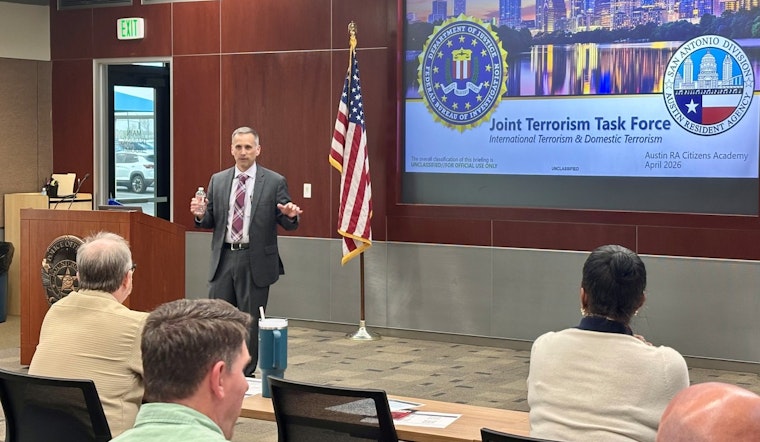
The front line in San Antonio's fight against terrorism is looking less like covert cells and more like everyday neighbors, according to the FBI. In an April 2026 briefing for a class of Citizens Academy participants, FBI San Antonio's Joint Terrorism Task Force warned that the threat picture is shifting toward individuals who radicalize alone online. Those lone actors, agents said, often leave only the faintest trace before they move to act, which means community awareness and fast reporting now play a central role in preventing attacks.
What the FBI Told Citizens
According to FBI San Antonio, Joint Terrorism Task Force leaders walked Citizens Academy attendees through what they called an "evolving terrorism threat landscape" and highlighted how "threats shift from organized groups to lone offenders who often radicalize online." Agents stressed that the people closest to a potential offender are often the first to notice something is off, from sudden personality changes to fixations on violent causes. The message was blunt: trust your instincts, take warning signs seriously and use official resources that explain what to watch for and how to report it.
Federal Indicators to Watch
The FBI's 2025 mobilization indicators booklet spells out both explicit threats and more subtle behavior shifts that can point to a move toward violence, according to the FBI mobilization indicators booklet. The guide lists things like abrupt social withdrawal, growing secrecy, intense interest in violent ideologies or concrete planning activity. It urges readers to look for patterns rather than panic over a single odd action. One behavior in isolation, the document notes, does not prove malicious intent, but clusters of new or escalating changes deserve closer attention. The resource is written for first responders, community leaders and regular residents, not just specialists.
Why Online Radicalization Changes the Picture
A review in Frontiers in Psychology found that online communities and algorithm-driven echo chambers can speed up radicalization while keeping it largely out of sight from neighbors, coworkers and even some family members. The research notes that isolated, grievance-driven paths into extremism often leave individuals socially hidden, which makes early detection hard for anyone outside their digital circles. That dynamic lines up with the bureau's point: tips from friends, relatives and colleagues are not just helpful, they are increasingly critical tools for prevention.
How to Report What You See
If someone appears to pose an immediate danger, officials are clear that residents should call 9-1-1 without hesitation. For non-urgent concerns, the FBI accepts online submissions at tips.fbi.gov. The San Antonio Division also offers community outreach materials and local contact information for people looking for guidance, according to FBI San Antonio. Local partners told investigators that specific, timely information often helps authorities assess threats and, in some cases, connect individuals with support services before a situation erupts into a full-blown crisis.
The briefing left little doubt about the role of ordinary residents in and around San Antonio. In a world where more extremists radicalize alone in front of a screen, prevention depends on people who notice meaningful changes, trust what they are seeing and pass credible details to investigators. Citizens Academy graduates, along with anyone who spots troubling behavior, are part of the new front line the FBI says is essential to stopping lone-actor violence.



