

























































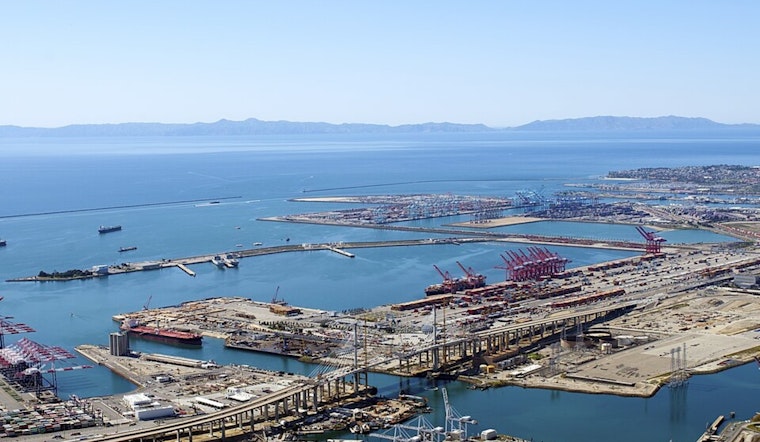
The Port of Long Beach has turned up the heat on hackers, unveiling a new Cyber Defense Operations Center, a $3.5 million expansion officials say will harden the harbor’s digital defenses and keep cargo flowing. The center is built to boost around-the-clock monitoring and increase on-site cybersecurity staff so potential threats can be spotted and contained before they ripple into real-world backups at terminals or gate entrances. Port leaders framed the move as a necessary shield for a supply chain that underpins thousands of local jobs and massive trade volumes.
According to the Long Beach Press‑Telegram, Chief Executive Dr. Noel Hacegaba unveiled the new hub during a virtual news briefing on May 15, saying the Cyber Defense Operations Center will “double the number of on-site staff focused on safeguarding the port’s digital supply chain.” The briefing also featured representatives from the U.S. Coast Guard and the California Governor’s Office of Emergency Services as key partners in the effort.
“The Port of Long Beach is no stranger to hackers trying to cripple our operations,” Hacegaba told attendees, urging industry partners to share threat intelligence and coordinate responses. Port officials said they fend off attempted cyberattacks with unsettling regularity, estimating about one attempt every three seconds, and argued the new center gives them a larger, more coordinated way to fight back.
What the center will do
Port staff say the Cyber Defense Operations Center will deliver 24/7 cybersecurity monitoring, threat analysis, and incident response that is directly connected to terminal operations, gate systems, and rail interfaces. The idea is to surface suspicious activity faster, pull in terminal operators and law enforcement more efficiently, and cut the time between detection and remediation.
By physically consolidating specialists and tools in one room, officials contend they can speed up decision-making when something looks off, whether that is a glitch in a gate system or a malicious attempt to disrupt container flows.
Part of a regionwide shift
Long Beach is not acting alone. The move is part of a broader San Pedro Bay shift toward centralized cyber defenses for ports and their supply-chain partners. The neighboring Port of Los Angeles previously launched a Cyber Resilience Center to enable faster threat-sharing and collective recovery among terminals and other stakeholders, a setup Long Beach officials said helped shape their own design. The Port of Los Angeles has stressed that coordinated defenses can reduce the risk of major disruptions.
Trade at stake
Hacegaba warned that cyber intrusions and service outages could threaten roughly $300 billion in annual trade moving through the port and the wider San Pedro Bay complex. Recent monthly cargo reports highlighted during the briefing underscored that scale, and industry figures indicate the port closed 2025, having handled about 9.9 million TEUs, a record that officials say helps explain why the cyber upgrade was not optional. According to MuniIntel, the Port of Long Beach remains a crucial linchpin for U.S. imports and exports.
Next steps for the port
Looking ahead, officials said the new center will expand cyber exercises with tenants and state and federal partners, functioning both as a detection hub and an information-sharing nerve center for terminal operators, trucking companies, and rail partners. Port materials described the facility as “a physical embodiment of collaboration among partners,” and leadership framed the investment as a way to keep operations resilient against criminal groups and nation-state actors alike.
The goal, they said, is simple even if the tech is not: keep the hackers out and the cargo moving.





