

























































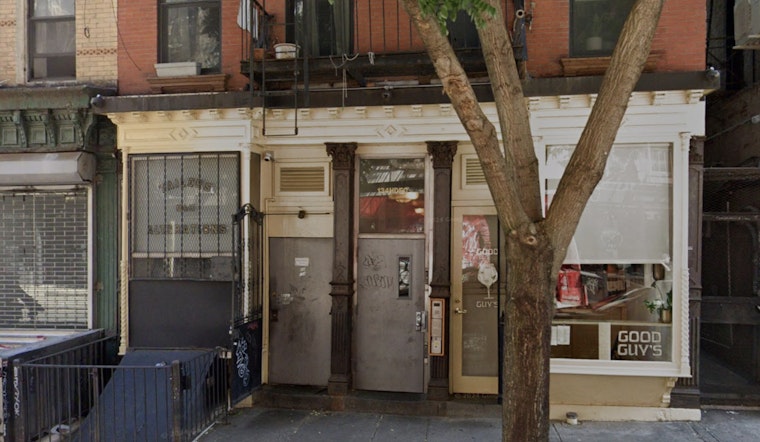
Attaboy, the quietly legendary cocktail bar on the Lower East Side, just added a new house special to its menu: a micro-union. Workers at the 134 Eldridge Street spot voted this week to organize, giving both front- and back-of-house staff a formal say in how one of New York’s most influential bars is run.
According to an election report from the National Labor Relations Board, the tally came in at 13 votes in favor and eight against, with 21 ballots cast in all. The newly certified group is listed as Attaboy Local 134. The bargaining unit covers all full-time and regular part-time employees at the Eldridge Street location, including bartenders, hybrids/barbacks, hosts, porters and cleaners. The case file notes that the election petition was filed in April, the initial tally was issued in early May, and that those results clear the way for Attaboy Local 134 to begin bargaining.
Owners Sam Ross and Michael McIlroy did not fight the organizing drive. Ross was quoted saying, "We are dedicated to keeping Attaboy alive," a line that landed as both reassurance and mission statement for staff and regulars alike. Organizers said the vote happened on-site at the bar and was designed as a “wall-to-wall” effort that pulled in both front- and back-of-house workers. The election and workers’ reactions were first reported by The New York Times.
Workers pushing for the union have laid out a platform that includes more transparency in how the bar operates, a stronger role for staff in day-to-day management and improved benefits. Organizers described the final count as a relief after weeks of quiet conversations and tense shifts. Some employees who had just voted ended the night shaking hands with management, a small but notable detail in an industry where labor fights can turn bitter fast. The election itself was hosted and certified by NLRB staff at Attaboy, and reports noted that about 21 workers were eligible during the vote, as detailed by VinePair.
What Workers Want
Organizers say the union is less about blowing up Attaboy’s culture and more about locking in a formal voice as the bar evolves. Staff members told reporters they want guaranteed input on hiring and scheduling, as well as a say when ownership considers new rooms, concepts or expansions. In other words, if the bar’s future is going to be remodeled, they want to be in the room when the blueprints are drawn.
The campaign was independently run, with help from outside groups, and workers chose not to affiliate with a larger national union. They framed that decision as a way to keep power close to the shop floor while still holding management accountable. Labor analysts have pointed to this kind of small, shop-level union - rather than membership in a big national organization - as part of a broader pattern in hospitality organizing, according to Jacobin.
Why It Matters
Attaboy is not just any bar. It is one of the key players in the modern craft cocktail boom, a place that helped define how serious drinkers talk about speakeasy-style service and meticulous, no-menu cocktails. The bar has been a regular on high-profile “best bar” lists and carries a reputation that stretches well beyond the Lower East Side. That track record is part of what gives this union drive outsized weight.
Organizers and observers alike say that if a marquee spot like Attaboy can unionize, it could ripple through the upper tiers of cocktail culture, where prestige is high and worker power has historically been low. The bar’s long run of accolades and rankings is documented by The World's 50 Best Bars.
What Comes Next
With the vote certified, Attaboy Local 134 can formally demand to bargain with Ross and McIlroy. Worker representatives say their first contract goals include clearer pay structures, more predictable scheduling and expanded paid time off. Getting from a winning vote to a signed contract, though, is rarely as simple as mixing a three-ingredient cocktail.
Previous union drives in the city have shown that owners can respond in very different ways, from engaging fully in negotiations to refusing to recognize the union or, in rare instances, closing a location altogether. Organizers at Attaboy say they are preparing for the possibility of a hard fight if bargaining stalls or turns adversarial. Labor watchers point out that the next few weeks will be critical as both sides set their opening positions and reveal how serious they are about good-faith negotiations, as outlined in reporting from VinePair.





