

























































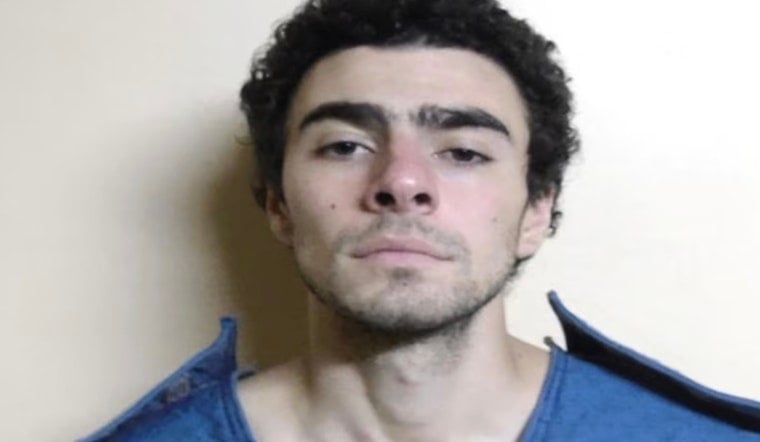
Three self-described supporters of Luigi Mangione showed up outside a Manhattan courthouse this week wearing New York City issued press credentials and loudly celebrating the December 2024 killing of UnitedHealthcare CEO Brian Thompson. The scene was caught on video, rocketed around social media, and has now triggered a formal review of how the city hands out press passes.
Video clips and subsequent reporting identified the trio as Abril Rios, Ashley Rojas and Lena Weissbrot, the self-styled "Mangionistas." Wearing badges labeled "Press Identification City of New York," they told a reporter "F--- Brian Thompson" and said his children were "better off without him," behavior that critics say turned official credentials into front-row access for courthouse agitators, according to CBS New York.
How NYC press credentials are supposed to work
The Mayor's Office of Media and Entertainment oversees the Press Credentials Office, which issues Standard, Reserve and Single-Event cards under rules adopted after Local Law 46 of 2021. MOME's published guidance explains eligibility categories, requires applicants to show recent published work, and spells out that any denial, suspension or revocation has to go through a formal adjudicatory process. As the Mayor’s Office of Media and Entertainment notes, the PCO was created to make credentialing more transparent while still preserving appeal rights for journalists.
Officials split on free speech and standards
Mayor Zohran Mamdani said the three "should not have received press passes" and announced a review of the credentialing system, while City Council Speaker Julie Menin called for tightening the rules so activists cannot game the process. As reported by NY1, civil-rights lawyer Norman Siegel warned that yanking badges over speech rather than conduct risks First Amendment trouble, pointing to his past litigation to secure credentials for online journalists. The clash has split journalists and free-speech advocates over whether tougher standards would curb abuse or simply invite viewpoint-based policing.
What happens next
MOME says it will review the specific applications that led to the badges and may refer the cases to the Press Credentials Office for possible administrative action. Under city rules, any suspension or revocation has to be decided at a hearing before the Office of Administrative Trials and Hearings, and summaries of RCNY section 16-06 note that the process requires proof at OATH and limits both the length of suspensions and the grounds for revoking a card. That framework means any disciplinary step will be formal and subject to appeal, so changes, if there are any, are likely to unfold over weeks rather than days, according to MOME and legal summaries of the rules.
Why the credential fight matters
The uproar lands on top of other headline-making developments in the Mangione case. Judges this month ruled that some items from the defendant's backpack will be admissible at trial and others will be suppressed, keeping the case squarely in the national spotlight. The Washington Post detailed those evidentiary rulings and the attention they have drawn. Reporters covering the hearings say having credentialed supporters who act more like advocates than observers has complicated routine newsgathering and raised new questions about courtroom decorum and public safety.
Legal implications
City rules give credential holders the right to a hearing and set a high administrative standard for suspensions or revocations. Legal summaries of RCNY section 16-06 explain that the OATH process requires clear and convincing evidence before disciplinary action is taken. That combination of procedural safeguards and a demanding evidentiary burden is why many veterans of press-credential disputes urge caution: removing a badge is possible, but it is not quick and can itself trigger constitutional and administrative challenges, per RCNY §16-06 summaries.
For now, the mayoral review is underway and MOME says it will follow its published rules. Whether the Mangionistas keep their city press cards will depend on the administrative findings and any appeals that follow. The controversy has already prompted calls from across the political spectrum for either clearer standards or stronger protections for unconventional reporters, and it is likely to shape the next round of fights over who counts as press in New York City.


