

























































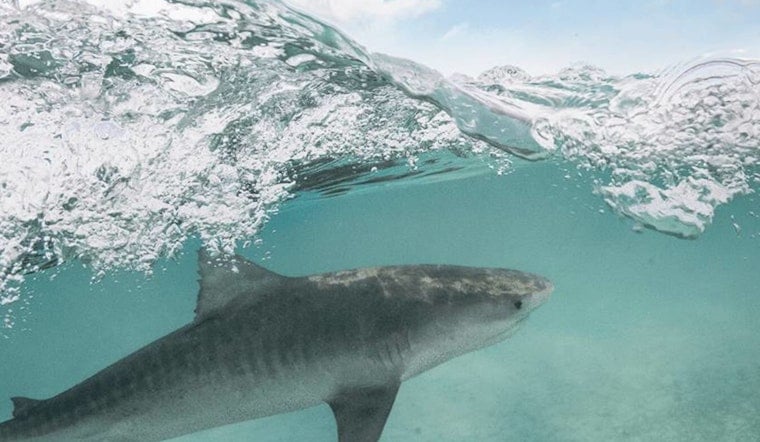
A Maui couple says a tiger shark latched onto their 12-foot kayak more than a mile off Olowalu and would not let go until the man on board started swinging. After he struck the shark repeatedly, it finally released the boat and the pair paddled hard for shore. They were shaken but uninjured, and later found clear bite marks carved into the hull. The close call is the latest reminder that researchers warn Olowalu can see heightened tiger shark activity during whale season.
Cheslei Akima and Alika Dickerson told Hawaii News Now they were offshore when a fin surfaced about 10 feet in front of their kayak. In seconds, the shark charged and clamped onto the side, “shaking us” as it held on. Dickerson said he punched the animal, and on the third strike it let go. Unsure whether the kayak was taking on water, they headed straight back toward shore. Photographs published with their account show the bite marks on the craft and underscore how quickly the situation escalated, according to the report.
Olowalu Identified As A Seasonal Shark Hub
Researchers at the University of Hawaiʻi describe Olowalu as a seasonal convergence site for mature tiger sharks, with timing that overlaps humpback whale calving season and may concentrate sharks in the area. A six-year acoustic telemetry study led by the Hawaiʻi Institute of Marine Biology documented a predictable presence and high overlap of sexually mature males and females at Olowalu, evidence the team interprets as a potential mating aggregation. The peer-reviewed analysis and the university’s summary report that migrations, mating scars and whale-related foraging opportunities together appear to shape tiger shark movements around Maui. The work is detailed in Scientific Reports.
Safety Takeaways For Paddlers
The state’s Division of Aquatic Resources recommends paddling with others, avoiding dawn and dusk, steering clear of murky water or spots where people are fishing, and not entering the ocean with open wounds in order to reduce shark risk. After their ordeal, Akima and Dickerson urged fellow ocean users to be prepared with life-saving equipment before heading offshore. For a concise checklist and incident data, the Department of Land and Natural Resources offers safety tips and shark incident pages, and the couple’s full account appears in Hawaii News Now. DLNR provides an accessible set of practical precautions for swimmers, surfers and paddlers.
Why Sharks And Whales Converge Here
NOAA’s National Marine Sanctuaries notes that the same analysis found tiger shark detections were positively related to whale acoustic activity and moderately associated with calf counts, suggesting that scavenging opportunities linked to humpback births could attract sharks. Sanctuary researchers caution that these gatherings are diffuse rather than dense, but they still increase the odds of human–shark encounters in the winter months. The overlapping drivers of mating and foraging help explain why even experienced paddlers can be caught off guard at places like Olowalu. NOAA’s National Marine Sanctuaries summarizes the findings.
Akima and Dickerson say the scare will not keep them out of the water, but their story is a blunt reminder that Hawaiʻi’s nearshore seas are shared with large predators and that a bit of preparation can matter. Locals and visitors alike say the incident reinforces calls to respect posted warnings and to carry basic safety gear when venturing far from shore.





