

























































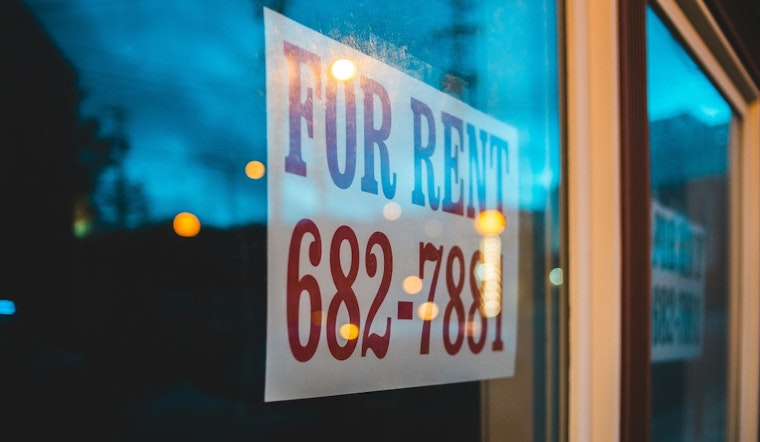
In the Miami Valley rental market, scammers are turning real homes into fake deals, lifting photos from legitimate listings, then reposting them as too-good-to-be-true rentals. Desperate or hurried renters are pushed to wire deposits or first month’s rent, sometimes showing up with moving trucks to find someone still living inside.
Local realtors say the schemes are getting slicker and harder to spot, with bogus ads circulating on well-known rental sites and social apps instead of just sketchy corners of the internet.
Irongate Inc., a local brokerage, told reporters that fraudsters are copying active listings and reposting them on platforms like Zillow and TikTok, typically at below market prices to speed up the hook. The firm reported that scammers pressure people to send money quickly and that in some cases renters have arrived expecting keys only to meet confused homeowners at the door. Those incidents were described to reporters by Irongate brokers and local agents, as reported by WHIO.
How scammers are cloning listings
The Federal Trade Commission explains that scammers often copy photos, descriptions, and addresses from genuine rental or for-sale ads, then repost them elsewhere with a fake contact and a bargain price. The pitch usually includes a request for payment or personal information before any in-person showing.
Zillow flags classic warning signs, including demands to wire money, landlords who claim to be out of town or overseas, and early asks for sensitive personal data. The company also offers a reporting tool so users can alert the platform to suspicious listings.
What local brokers and officials advise
Local reporting by Dayton Daily News shows area brokers urging renters to slow down and double check who actually owns a property. They recommend using the county auditor’s website to verify ownership, calling the listing agent named on the MLS, and refusing to send any money until you have seen the place in person and confirmed who you are dealing with.
The Ohio Attorney General gives similar guidance, warning consumers not to hand over cash or personal information until they have confirmed the owner and physically inspected the property.
If you have already paid
If money is already gone, time matters. Contact your bank or financial institution right away to try to stop or reverse the payment. Then file a complaint with the FTC at ReportFraud.ftc.gov and with the FBI’s Internet Crime Complaint Center at IC3. Local police should also be notified so there is an official report, and reporting the fake ad to the platform can help get it taken down before someone else gets hit.
How to spot and avoid fake rentals
Renters are urged to treat listings like potential landmines until proven otherwise. Do a reverse image search on listing photos to see if they appear under a different name or price, compare the address across multiple platforms, and be cautious if the contact uses an out-of-state phone number or insists on payment by Zelle, wire transfer, or gift card.
Zillow recommends never wiring money for a rental, and local agents suggest watermarking listing photos and alerting the hosting site if you discover your listing has been copied.
The bottom line is to slow the process down and lean on official channels. A quick search on the county auditor’s website, a direct call to a listed broker, or even filing a police report can stop a scam before your money disappears. Brokers say they are monitoring listings and flagging suspicious posts to platforms, and consumer offices are urging anyone who is targeted to file complaints so investigators can track how these scams spread.





