

























































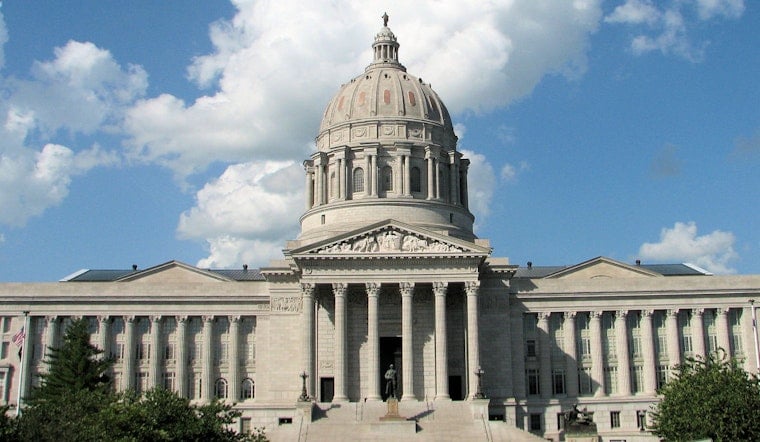
Jefferson City is once again talking storms and insurance, as a Missouri House committee weighs a homeowner protection package that aims to push insurers into neutral mediation after declared disasters and seed a new grant fund to make houses tougher in the next big blow. House Bill 3328 bundles a formal dispute resolution process with a retrofit grant program and insurer incentives that are meant to speed claim payments and get rebuilds moving. Supporters point to long backlogs after recent severe weather, while critics warn the proposal shifts costs onto insurers and could change how claims are handled across the board.
What the bill would do
Under HB 3328, homeowners with first party claims tied to an event that triggers a state of disaster declaration could ask for mediation, generally within 60 days after a claim is denied. As laid out in the bill text on the Missouri House website, insurers would pick up the tab for administrator and mediator fees, the Director of the Department of Commerce and Insurance would set fee schedules and select qualified mediators, and the mediation rules spell out strict timelines and confidentiality provisions. The process is designed to be voluntary and non‑adversarial and, in most cases, does not block homeowners from later pursuing other legal options.
Grants, retrofits and insurer incentives
The Missouri Stronger Homes Act portion of the bill would stand up a fund that pays grants for retrofits or new construction that meet IBHS FORTIFIED Home standards. Individual awards would be capped at $15,000, with priority given to lower income applicants. According to state summary documents, the fund would start with a one time $12 million transfer from the Insurance Dedicated Fund on July 1, 2027, then receive annual transfers of up to 20% of the fund balance, limited to $2 million per year, through 2037. The bill also requires insurers to offer actuarially justified premium discounts to policyholders who provide IBHS certification showing that their properties meet FORTIFIED High Wind and Hail standards, again according to the state summary.
How the mediation process would work
The proposal sets an aggressive schedule. Insurers must tell claimants about the right to mediate when a claim is denied or disputed, and an administrator would be appointed to manage requests. An insurer or the Director would have three business days to send a mediation request to that administrator, according to the legislative tracking summary on LegiScan. The administrator would then select a trained mediator. Mediation sessions would be treated as confidential settlement talks under Missouri law, and the mediator could shut things down if a party refuses to participate in a meaningful way. The bill specifies that administrator and mediator fees are paid by the insurer, while other expenses stay with the party that racks them up unless the parties agree otherwise in a settlement.
Why sponsors say it’s needed
Bill sponsor Rep. David Casteel (R‑High Ridge) has argued that a formal mediation track would surface problems and confusion in how claims are handled, and that the Stronger Homes fund would create steady, long term support for owner occupied homes, according to reporting in the Park Hills Daily Journal. During the hearing, committee members repeatedly pointed to the May 16, 2025 St. Louis tornado and other recent severe storms as examples of disasters that left residents waiting for checks and repairs, a backdrop supporters say makes the bill urgent. The City of St. Louis’s recovery pages continue to document ongoing recovery and assistance work in neighborhoods hit by last year’s storms.
Budget questions and pushback
State fiscal analysis shows that the planned transfers would significantly reduce balances in the Insurance Dedicated Fund in the early years and that the Department of Commerce and Insurance would need additional staff to run the programs. The fiscal note lists multiple new full time equivalent positions and multimillion dollar transfers beginning in FY 2028. Witnesses at the hearing cautioned that diverting fees now used for regulation could have ripple effects, and they described the bill’s public adjuster and fraud provisions as still being refined. Supporters counter that grant caps, certification requirements and priority rules are designed to limit fiscal exposure while steering assistance toward homeowners who are most vulnerable, according to the state fiscal documents.
What’s next
HB 3328 wrapped up a public hearing in the House Insurance Committee on April 13, 2026 and remains in committee. Sponsors could see amendments as the measure heads toward an executive session and potential floor votes, according to LegiScan. If lawmakers ultimately pass the bill, different parts of the package would take effect between Jan. 1, 2027 and July 1, 2027, as spelled out in the legislation. In the meantime, legislators, regulators and insurers are left to argue over whether the bill finds a workable balance between consumer relief and industry cost or simply moves the pain around.





