

























































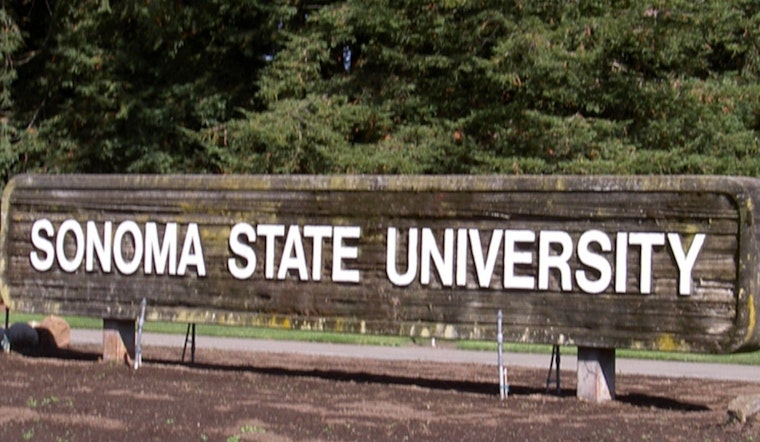
When Michael Spagna walked onto Sonoma State University's Rohnert Park campus in January, he stepped into a full-blown higher-ed crisis. The new president of the North Bay campus inherited deep budget cuts, eliminated sports programs and a steep enrollment slide, along with a deeply rattled campus community.
Financial Damage And Rescue Funds
The scale of the financial hit is stark. As reported by SFGATE, Sonoma State cut roughly a quarter of its faculty and shut down all 11 intercollegiate athletic teams to deal with about a $20 million budget shortfall. Enrollment has dropped from roughly 9,400 students in 2015 to about 5,000 today, a decline that hit both tuition revenue and campus morale.
Sacramento and system leaders stepped in with short-term help. The state Legislature approved a one-time $45 million "Sonoma State Commitment," while the CSU chancellor's office kicked in roughly $10 million to help steady the campus. Those infusions kept the lights on, but they did not solve the underlying problems now waiting on Spagna's desk.
New President With A Fixer Reputation
Spagna officially took over as president on Jan. 20, after the CSU Board selected him last November. According to Higher Ed Dive, he previously served as interim president at Cal Poly Humboldt and as provost at Cal State Dominguez Hills. Colleagues say those roles gave him a reputation as the person you call when a campus is in trouble and needs a steady hand.
Spagna's Early Moves
Spagna did not wait long to wade into one of the most emotional issues on campus: the loss of sports. Within weeks of arriving, he convened a Fiscal Feasibility Team to determine whether NCAA Division II athletics can be reinstated without blowing up the budget again. He has pledged that any revival of sports will have to fit into a long-term financial plan rather than be driven by nostalgia for the old days.
The president's office has tried to make the process visible. Sonoma State University's news site published the Fiscal Feasibility Team's formal charge, along with the Athletics Task Force report that will guide the analysis.
Faculty, Students And Enrollment Goals
On campus, trust is still very much under construction. Faculty and students remain wary after months of cuts and uncertainty, even as leaders insist the university is not on the brink of collapse.
"We're still totally sustainable," archaeology professor Alexis Boutin told SFGATE, summing up the awkward mix of reassurance and anxiety that has become daily life at Sonoma State.
Spagna has laid out a slow-build enrollment plan. He has said he hopes to add roughly 100 to 300 students per year and expects to see the first real uptick by fall 2028, once recruitment strategies and program changes have time to work through the pipeline.
Legal Backdrop
The path back is not just financial or political, it is legal too. The sweeping cuts drew protests and lawsuits from student athletes and their supporters. KQED documented legal challenges and campus unrest after the university announced plans to end all athletics.
Those challenges hit a wall in court. A court upheld the cuts ruling reported by Hoodline, showing that a judge ultimately allowed Sonoma State to move forward with eliminating its athletic programs as part of its budget crisis response.
That legal backdrop shapes what Spagna can do now. The one-time state money has to be spent cautiously, and procedural rules limit how quickly jobs or programs can be restored, even if the will is there.
What's Next
Behind the scenes, a maze of committees is sorting through what might come back and what is gone for good. Campus leaders have laid out a process for deciding which programs could be restored. The University Budget Advisory Committee requested detailed follow-up materials from the various task forces, with rolling deadlines throughout the spring, according to a response memo from the committee.
The real power players in the next phase will be Sonoma State's budget office and the fiscal teams, which will determine which programs return and which remain cut. For students and staff, the shape of the next academic year will depend heavily on the feasibility work now underway in those rooms where the spreadsheets, not the slogans, have the final say.





