

























































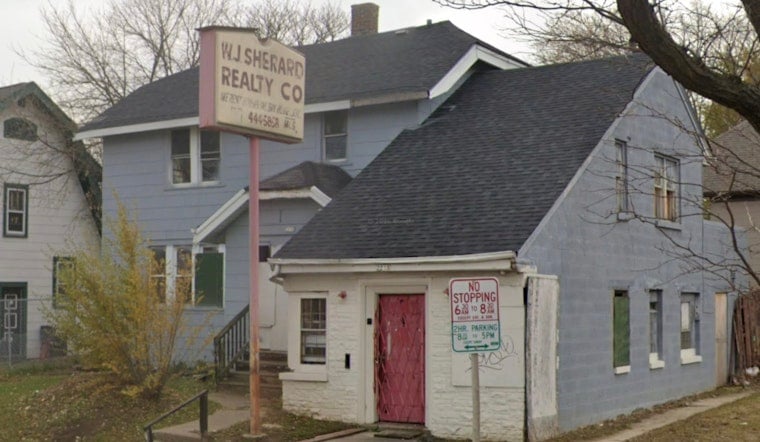
When longtime North Side landlord Will J. Sherard died, the story many neighbors thought they knew about his business suddenly looked very different. Probate filings now show a financial footprint that is far larger than many in the community expected, with court paperwork listing roughly $29 million in assets tied to Sherard and the companies he controlled. That eye-popping number immediately raises a practical question: who, if anyone, is going to collect on the trail of judgments, fines and lawsuits that have followed his properties for years?
According to the Milwaukee Journal Sentinel, an inventory filed in Milwaukee County probate court lists more than $29 million in real estate, business interests and other assets linked to Sherard, Morocco Investments and W.J. Sherard Realty. The figure comes from estate documents that became public this week.
Judgments, a Deadly 2019 Fire and a Case Still on Appeal
Sherard and entities associated with him have spent years defending against civil claims that accused them of unsafe housing and neglect. One of the most serious cases followed a deadly duplex fire in 2019. A wrongful-death lawsuit tied to that blaze resulted in a $1.35 million judgment against Morocco Investments and related companies, as reported by Insurance Journal. Court filings show the case is still on appeal in the Wisconsin Court of Appeals, which means the final outcome and timing of any payout remain unsettled.
Federal Scrutiny and a Long Trail of Local Enforcement
Federal and city records paint a picture of a landlord portfolio that has been on regulators’ radar for years. The U.S. Department of Housing and Urban Development announced a settlement in 2005 that required dozens of Sherard-owned units to be made lead-safe, underscoring long-standing concerns over conditions in some of his rentals.
On top of that, local media and watchdog outlets have repeatedly documented municipal fines, eviction filings and other enforcement actions connected to his properties. Coverage from Urban Milwaukee has tracked many of those disputes over time, outlining how city officials have tried to rein in problem addresses linked to Sherard’s companies.
What the Estate Could Mean for Tenants and Creditors
For renters and judgment creditors, a $29 million estate on paper is not the same thing as cash in hand. To see any money, claimants still have to file the proper paperwork and then wait while courts sort out who gets paid, in what order and from which assets, through probate rules, liens and corporate structures.
Attorneys and plaintiffs watching Sherard’s legacy will be poring over both the probate file and the appeals docket as they weigh potential recovery and risk. The filings in the Wisconsin Court of Appeals and the probate inventory reported by the Milwaukee Journal Sentinel suggest that any collection fights could stretch out for months or longer.
Whatever the final tally, Sherard’s estate has forced a fresh look at how wealth generated from rental housing lines up against long-standing tenant complaints and legal claims. Lawyers, plaintiffs and city officials are now left to untangle who owns what, which debts take priority and how far that $29 million will really go once the bills come due.





