

























































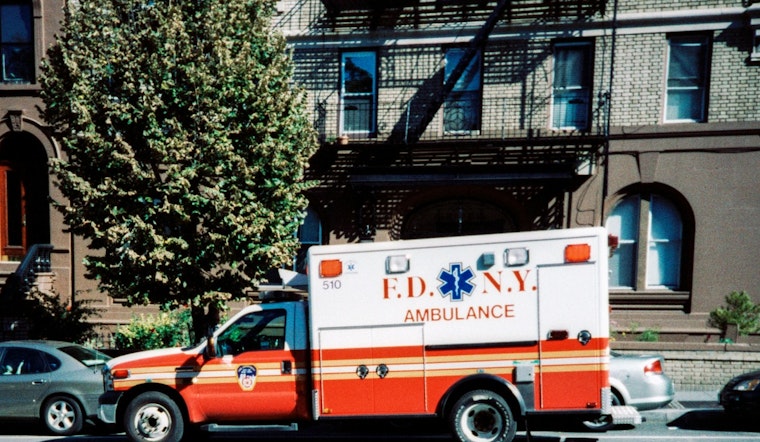
New York City's ambulances are taking longer to reach life‑threatening medical emergencies, and the lag is getting harder to ignore. End‑to‑end arrival times have stretched noticeably over the past four years, minutes that can mean everything during cardiac arrest and other critical calls. Union leaders and frontline EMTs say staffing losses, low pay and jammed emergency departments are leaving crews spread too thin, while City Hall insists it has tried operational fixes even as the problem has persisted for four straight fiscal years.
According to the Mayor’s Management Report, ambulances averaged 11 minutes and 21 seconds to life‑threatening calls in fiscal 2025, up from 9:34 in FY2021. The report also shows ambulance turnaround at hospitals stretched to roughly 40 minutes in FY2025, cutting into FDNY EMS in‑service hours and shrinking the number of units available to respond.
Why Response Times Are Rising
City officials and outside analysts point to outer‑borough traffic, higher 911 call volumes and slow hospital hand‑offs as the main culprits, according to amNewYork. Pilot efforts such as hospital liaison teams and telehealth triage have trimmed response times in some places, but those programs have not reached enough emergency departments to reverse the overall trend, as outlined at a New York City Council hearing.
Union Says Pay And Promotions Are Driving Exits
Local 2507, the union representing FDNY EMTs and paramedics, argues that the service is losing workers faster than it can replace them and that many EMTs now treat the job as a steppingstone to firefighter positions, according to the union's public statements. Union leaders told ABC7 Eyewitness News that bargaining has been stalled for years and estimated attrition at roughly two workers a day. Former EMS members who spoke with reporters also cited low starting pay and better promotion prospects in the fire ranks. The union warns that these steady departures eat into in‑service hours and could stretch response times even further if nothing changes.
Commissioner And City Response
Since taking the helm, FDNY Commissioner Lillian Bonsignore has publicly pressed for pay parity and insisted that EMS must be treated "as an equal" inside the department, remarks reported by Firehouse. That coverage notes an EMT coming out of the academy starts at roughly $39,386, while firefighters begin at a higher base salary, an imbalance the commissioner and the union say sits at the center of recruitment and retention problems. FDNY and City Hall point to a package of operational moves, including expanded telehealth triage, targeted paramedic units and the hospital liaison pilot, as part of a longer‑term strategy to get more ambulances back on the street.
The lack of a current contract means any meaningful pay increase will have to go through bargaining and the city budget process, which union leaders say can take months. That political and fiscal slog is now central to whether new investment or negotiated gains will be the faster route to restoring staffing and response times, according to ABC7 Eyewitness News.
Hoodline previously covered rising ambulance delays in 2025, and with fresh MMR numbers, renewed union warnings and the commissioner’s public push for parity, the debate over EMS staffing and pay has only intensified.





