

























































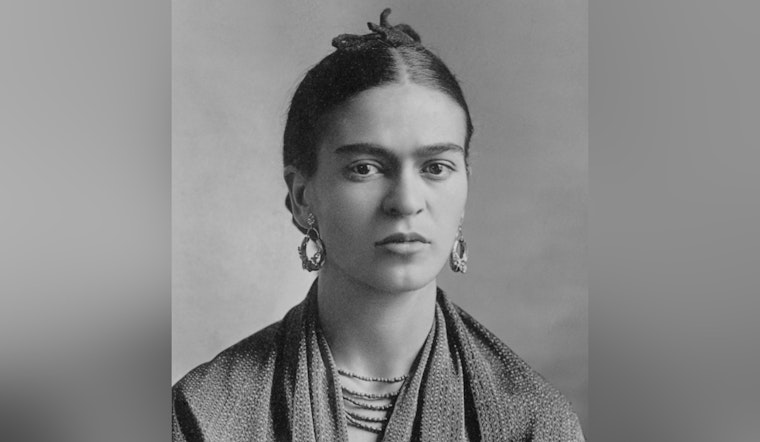
Robert R. Littman, the New York curator long tied to the Gelman holdings, is now at the center of a cross-border drama after parts of the prized Gelman Collection were transferred to new owners and placed under the management of Spain's Banco Santander. The move, which will send major works by Frida Kahlo and other Mexican masters to a new cultural center in Santander, Spain, has set off protests in Mexico and sharpened questions about who actually had legal authority to sell, loan or encumber the works.
Banco Santander to manage 160 works
Banco Santander announced a long-term agreement to manage a 160-piece segment of the Gelman holdings and rebranded that selection as the “Gelman Santander Collection.” The bank said it will handle conservation, research and exhibition programming as part of the Faro Santander launch program, according to Banco Santander.
Who bought it and the loan behind it
The Art Newspaper reports that the Monterrey-based Zambrano family, linked to the Cemex empire, acquired the Gelman holdings in 2023. El País has reported that Marcelo Zambrano used a package of the works as collateral to secure an approximately $150 million loan from Banco Santander, a financing step that observers say reframes the collection as commercial collateral rather than solely cultural patrimony.
Mexico's cultural community balks
Nearly 400 cultural professionals, including curators, historians and artists, signed an open letter pressing Mexican authorities for clarity about the transfer and the timeline for the artworks' return, as reported by The Guardian. Mexico's president and the culture minister have publicly said the works are leaving temporarily and are expected back in Mexico in 2028.
Littman's role and the allegations
Robert R. Littman, the U.S.-based curator who established the Vergel Foundation to steward the Gelman pieces, was named executor of Natasha Gelman's estate in 1993, according to Banco Santander. Some heirs and critics have long questioned his stewardship and the opacity of past moves; The New York Post reported allegations that Littman secretly sold parts of the collection, while Spanish coverage has documented feuding heirs and litigation over the estate.
Legal implications
The legal stakes are substantial. Many Gelman works are protected under Mexican heritage rules as "artistic monuments," which restrict permanent export and require oversight by the National Institute of Fine Arts and Literature (INBAL). Reporting and analysis, including by Smithsonian Magazine, show those protections complicate any claim that the works were free to move or be used as loan collateral without administrative review.
Why it matters
The episode is as much about museums and national patrimony as it is about art market finance. It highlights how priceless cultural objects can be mobilized for lending and travel, forcing governments, scholars and lenders into fast-moving legal and diplomatic debates. For New Yorkers, who have long seen Gelman works appear in U.S. museums, the dispute is a reminder that clear stewardship, public documentation and transparency matter as much as taste, as detailed in reporting by The Art Newspaper.





.jpg)