

























































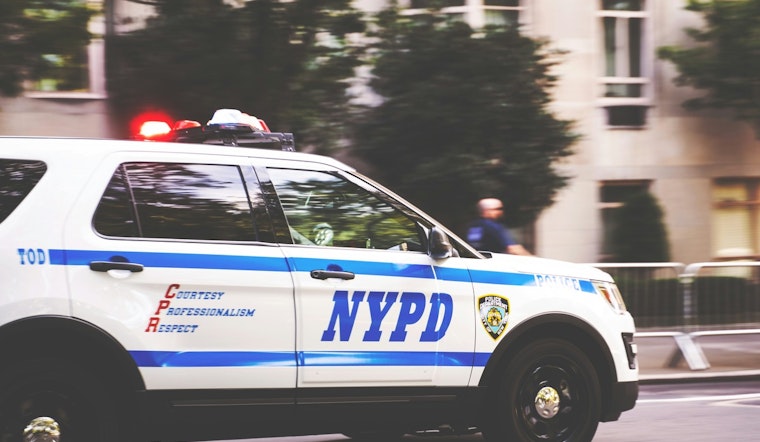
Most uniformed NYPD officers are about to see their days get a lot longer. The department is moving to 12-hour tours for the first week of July, from July 1 through July 7, in what officials are calling an operational surge to cover packed parades, fireworks and other big-ticket events across the city.
The internal memo, sent by Commissioner Jessica Tisch to commands, states that “we will move to 12-hour tours for the majority of uniformed members of service from July 1st to July 7th,” according to FOX 5 New York. An NYPD spokesperson told the outlet the extra time on the clock is tied to what the department calls an “unprecedented threat environment” layered on top of overlapping summer events that include the Fourth of July, the NBA Finals, the World Cup and America250. Tisch’s note also thanked officers for recent holiday weekend coverage and said commands would get further updates if more dates are added.
Heightened threat picture and counter-drone steps
City and federal officials have been increasingly explicit about their worries around weaponized drones and foreign-directed plots at big public gatherings. As part of its World Cup preparations, the NYPD says it now has new legal authority and equipment to disable or neutralize hostile drones and has poured millions into mitigation technology, CBS News New York reported. That expanded toolkit, along with joint drills with federal partners, is one of the reasons officials point to for the July staffing spike.
How the department plans to staff events
The NYPD has been signaling a broader, high-alert summer stance. Officials told Spectrum News NY1 the department plans to put roughly 2,600 officers on foot patrol during late-night and early-morning hours, with extra staffing pushed into precincts and boroughs that see heavier activity. Commands argue that temporary 12-hour tours let them pile officers into stadiums, parade routes and waterfront viewing areas without permanently rewriting shift schedules. On paper, the weeklong plan is framed as a short, event-driven posture rather than a full-on schedule overhaul.
Union concerns and fatigue risks
Inside the ranks, longer tours remain a sore spot. Past bargaining rounds produced only small, voluntary pilot programs, and unions have repeatedly warned that mandatory 12-hour shifts can fuel fatigue, mistakes and safety issues on the street. The Sergeants Benevolent Association laid out those worries in recent contract talks and ultimately agreed to limited volunteer-based pilots as part of a broader deal, according to the Sergeants Benevolent Association. Labor leaders say any larger or longer rollout will have to be weighed against officer wellbeing, morale and retention.
What to watch for in July
The memo also notes that more 12-hour dates could be tacked on closer to the World Cup final in mid July. New Yorkers heading to matches, parades or big outdoor fireworks shows should expect a thicker wall of blue, tighter perimeters and likely street closures as the NYPD layers in resources. City budget documents show overtime and event staffing have already been built into this season’s plan for stadium and waterfront events, helping cover the added manpower and technology costs, according to a March budget brief from the New York City Council.
Officials stress that the new schedule is designed to be temporary and reversible, but there is no sugarcoating the impact: for one very busy week in early July, patrol patterns across the city will look and feel different. Commands and city agencies say they will release more operational details as they are locked in.





