

























































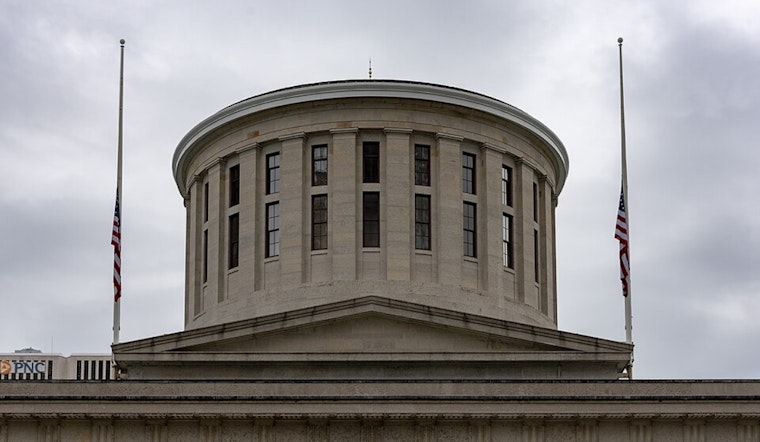
Educators, counselors, and civil-rights advocates packed the Ohio Statehouse last week to push back against Senate Bill 113, a proposal that would force local school boards to shut down diversity and inclusion offices, outlaw DEI trainings and scrub related language from job descriptions across the state’s K-12 system. During a Senate Education Committee hearing, critics argued the bill is so broad and murky that it reaches far beyond classroom lessons and could send districts scrambling to rewrite policies on a tight timeline after last year’s higher-education changes.
Crowded House At The Statehouse
Roughly 80 people submitted opponent testimony on SB 113, while fewer than 10 weighed in to support it, according to Ohio Capital Journal. Union leaders, school counselors, and civil-rights groups lined up to say the bill’s vague wording could pull in everyday student supports and routine staff training. They warned that districts trying to guess what qualifies as banned DEI activity could be staring down confusion, complaints, and court challenges.
Inside The Testimony Room
Ohio Federation of Teachers President Melissa Cropper told lawmakers the bill is “frustratingly vague” about what actually counts as DEI and cautioned that it could undercut efforts to recruit and keep a more diverse group of teachers, according to Ohio Capital Journal. She and other witnesses stressed that many DEI roles are tied to practical day-to-day work - like counselor interventions, hiring outreach, and family engagement - instead of ideological lessons. Opponents urged senators to factor in how local schools actually operate before signing off on a statewide ban.
What SB 113 Targets
Under SB 113, every board of education would have to adopt a policy that blocks any orientation or training on DEI, bars the creation or continuation of DEI offices, and prohibits using DEI in job descriptions, according to the Legislative Service Commission bill analysis. The bill would also forbid contracts with consultants who promote admissions or hiring that consider protected characteristics. The analysis notes that districts would be required to set up complaint procedures and investigate alleged violations under standards laid out by the Director of Education and Workforce. School leaders told the committee those steps could drive staffing changes and new administrative costs as districts rework job postings and training programs.
Research Lawmakers Heard About
Opponents leaned on academic research and school-climate data to argue the stakes are higher than job titles on paper. A working paper from the National Bureau of Economic Research found that Black students who were randomly assigned to at least one Black teacher in the early grades were more likely to finish high school and enroll in college, a result advocates said underscores why hiring and recruitment practices matter for long-term student outcomes (NBER). National data from GLSEN’s 2021 school-climate survey show that inclusive policies and supports are associated with fewer hostile remarks and better mental-health indicators for LGBTQ students, a point opponents used to argue that the bill would affect far more than the wording on HR paperwork (GLSEN).
Legal Gray Areas And Counseling Fears
ACLU of Ohio Legislative Director Gary Daniels warned senators that because SB 113 never defines “DEI,” local officials and judges could land on very different readings of what the law actually forbids, creating a lot of legal uncertainty, according to Cleveland Scene. Heather Fairs of the Ohio School Counselor Association testified that the measure could “limit a school counselor’s ability to identify barriers to student success and provide appropriate interventions,” the outlet reported. Equality Ohio described DEI as a set of strategies aimed at removing barriers so students can meet existing standards, not as a move to water down academic expectations.
Politics Behind The Push
SB 113 was introduced in February 2025 by State Sen. Andrew O. Brenner, R-Delaware, and has multiple Republican cosponsors listed on the Ohio Legislature’s bill page. Brenner is term-limited this year and recently lost a primary bid to move to the other chamber, according to local election results reported by Delaware Source. That political backdrop comes as lawmakers are also working through related higher-education limits and other proposals that aim to cut back DEI efforts across Ohio.
What Happens Next
For now, SB 113 sits in the Senate Education Committee, where lawmakers can amend it, call more hearings or let it wait before any floor vote. Companion bills have been filed in the House, signaling a broader campaign to restrict DEI at several levels of Ohio’s public education system, according to Spectrum News 1. District leaders and advocates say they will be watching the committee calendar closely as the session moves ahead and as local boards start gaming out how they might have to respond if the bill becomes law.



