

























































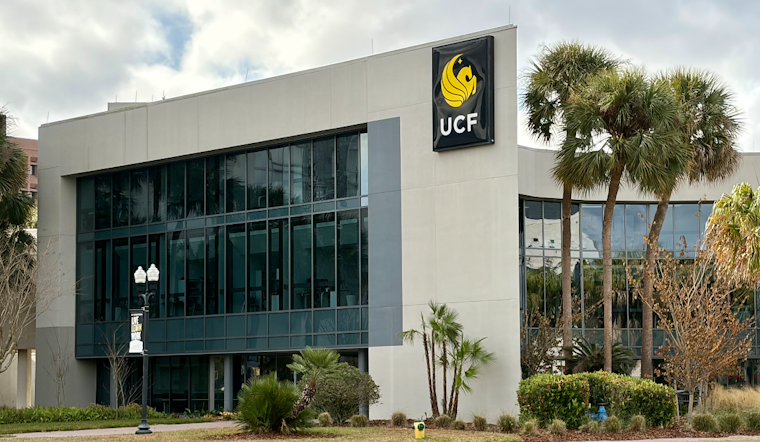
The word “revolution” usually brings applause at a college graduation. At the University of Central Florida, it brought a chorus of boos after a commencement speaker called artificial intelligence the next industrial revolution.
That loud rejection captured something bigger than one awkward speech. It landed at the exact moment when banks, tech firms, and investors are publicly linking AI to the reshaping of work and to some very real headcount cuts, turning an abstract debate into a gut-level concern for young people about to enter the job market.
The episode was detailed in coverage from New Orleans CityBusiness, which described how pro‑AI speeches, from campus stages to investor days, are increasingly getting frosty receptions. Reporter Adam Jourdan set the UCF moment alongside other recent examples that point to a growing cultural split between tech leadership and younger workers.
Gen Z's changing view of AI
The boos have data behind them. An April Gallup survey found that Gen Z's excitement and hopefulness about AI have dropped sharply, while anger and anxiety have climbed. Employed Gen Zers are now more likely to say AI's risks outweigh its benefits.
At the same time, roughly half of young people are using generative AI at least weekly, even as many say it undermines deeper learning and creativity. According to Gallup, curiosity about the tools is still widespread, but real confidence in AI is eroding.
Corporate moves sharpen the debate
Those campus anxieties have a clear counterpart in the boardroom.
Standard Chartered has announced plans to cut more than 7,000 corporate roles as it leans on automation to lift returns, according to reporting republished by Investing. Meta has started installing software on U.S. staff machines that logs mouse movements, clicks, and occasional screenshots to generate training data for AI agents, a move chronicled by TechCrunch.
Amazon has already pared tens of thousands of corporate roles, according to Investing. Fintech firm Block cut roughly 4,000 positions earlier this year as it embraced AI, a shift that Euronews reported sent its shares higher. Taken together, those headlines make Gallup's survey findings feel much more immediate to students and early‑career workers.
Why grads are yelling
For students, the frustration is less about theatrics and more about survival. Many worry AI will hollow out the very entry‑level roles they are competing for, while also reshaping how they are expected to learn along the way.
Gallup found that employed Gen Zers place far more trust in work done solely by humans than in AI‑assisted output, and many report anxiety that routine AI use will stunt their skill‑building. That blend of job insecurity, fear of surveillance, and a sense that education has not yet caught up helps explain why a call to “embrace” AI can land as a warning, not a pep talk, for a graduating class.
What universities and employers can do next
Universities can lower the temperature by pairing AI literacy with assignments that genuinely test reasoning and original thinking, rather than rote output. Publishing clear, accessible policies on when and how AI can be used in coursework would also help students navigate the gray areas.
Employers that cite AI as a reason for reorganizing staff can match that message with transparency about how decisions are made, reskilling opportunities for affected workers, and explicit protections against invasive monitoring. Those steps will be critical to rebuilding trust with younger employees.
In the end, the UCF boos were a small but noisy sign of a larger generational rift. Gen Z is already using AI, but it is not convinced it wants the version of the future some bosses are busy building. That uncertainty is likely to shape hiring, curriculum, and workplace policy for years to come, and it gives local communities a direct stake in how the AI transition is governed and taught.





