

























































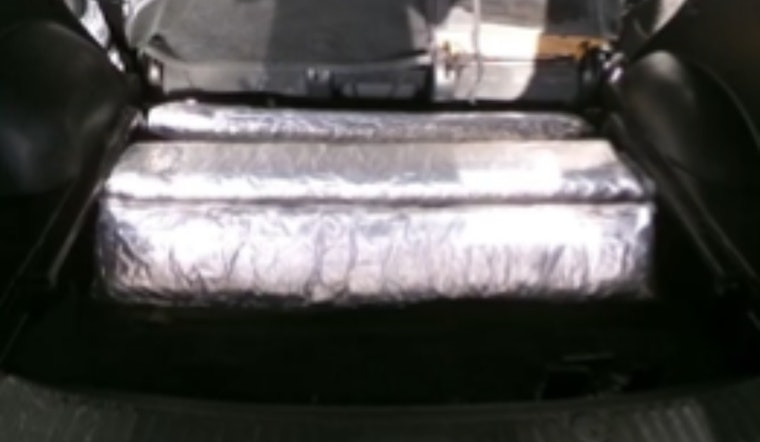
Customs and Border Protection officers at the Otay Mesa Port of Entry seized more than 158 pounds of methamphetamine on Friday, according to a social media update from the agency’s San Diego field office. The brief post cast the bust as another in a series of frontline efforts to keep large quantities of narcotics from spilling into nearby communities.
Top San Diego CBP Official Blasts Out the News
In a post on X, Sidney Aki, director of field operations for CBP's San Diego Field Office, said officers at the Otay Mesa POE seized more than 158 pounds of methamphetamine and credited frontline staff with the catch. Aki wrote that the seizure "made the community safer" and "sent a strong message to drug traffickers." The post did not mention any arrests or explain how the drugs were hidden, and there was no formal press release attached. CBP sometimes follows these quick social updates with more detailed media statements that fill in the operational gaps.
What a bust!#SanDiegoFieldOffice @CBP officers at the #OtayMesaPOE seized over 158 lbs of methamphetamine, making the community safer & sending a strong message to drug traffickers!#OFOProud🇺🇸 #CBP #BorderSecurity #LawEnforcement #DrugSeizure pic.twitter.com/sfjU4xgu2t
— Director of Field Operations Sidney Aki (@DFOSanDiegoCA) May 1, 2026
April Trailer Haul Dwarfed Friday’s Load
The latest bust comes on the heels of a far larger interception earlier this month, when CBP officers at the Otay Mesa Commercial Facility uncovered 3,078.10 pounds of crystal methamphetamine concealed inside a cargo trailer, NBC 7 San Diego reported. That April 14 seizure, found after nonintrusive imaging and a canine alert, highlighted how traffickers tuck massive loads into otherwise legitimate freight. Local coverage and agency updates have pointed to a recent run of high weight interdictions at San Diego area ports of entry.
Operation Apollo Helps Drive Border Crackdowns
CBP has linked some of these interceptions to regional initiatives such as Operation Apollo, a multiagency effort targeting synthetic drugs. The program is described by CBP as a key driver of stepped-up enforcement that pulls together federal, state and local resources to go after trafficking networks and intelligence leads at busy crossings. After a seizure like Friday’s, evidence and any detained suspects are typically handed off to Homeland Security Investigations for follow-up and potential federal prosecution.
What Happens After the Bust
Recent coverage of CBP drug cases has noted that seized narcotics, vehicles and suspects are usually turned over to Homeland Security Investigations while prosecutors evaluate potential charges, KYMA reported. That handoff creates the chain of custody that underpins any federal case, although the public often does not see details until HSI or the U.S. Attorney’s Office files court documents. For now, the San Diego field office’s brief X update stands as the only official public account of Friday’s interception, with more specifics likely to surface only if the case moves into the court system.
The recent string of seizures at Otay Mesa and other San Diego ports illustrates both the size of attempted smuggling loads and the enforcement push aimed at stopping them. Officials say such interdictions disrupt supply lines to local markets, but fuller operational details typically emerge later, when investigators and prosecutors release formal reports.





