

























































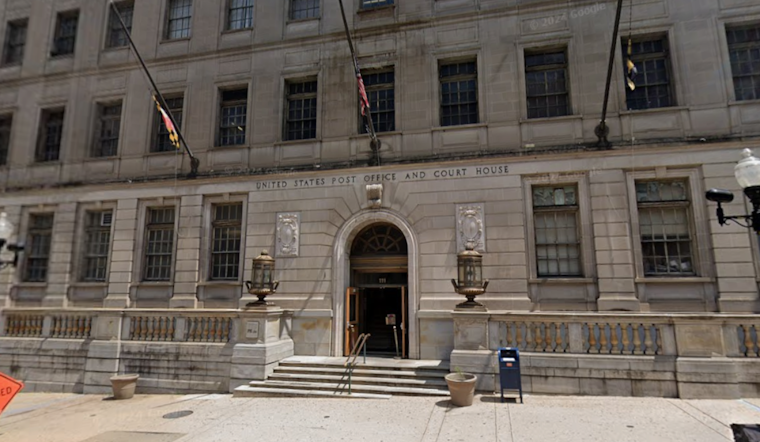
An Owings Mills man has admitted to gunning down a 31-year-old as he ran along an East Baltimore block, bringing a tense and emotional end to the trial phase of a case that has weighed on a Southeast Baltimore family since last fall.
Plea Deal Entered In City Circuit Court
Jibril Al-Tarig Turner, 22, of Owings Mills, pleaded guilty Tuesday to first-degree murder and to using a firearm in the commission of a violent crime, according to Baltimore Witness. The outlet reports that Turner accepted a state offer calling for a life sentence with all but 30 to 50 years suspended, along with a concurrent 20-year term for the firearm count. Court reporting notes that Turner admitted to the shooting after waiving his Miranda rights, and that the judge will set a disposition date after a pre-sentence investigation is completed.
How Detectives Tracked The Case
Baltimore Police said in October 2025 that detectives had charged 22-year-old Jabril Turner in the killing of Charlton Morris, who was found shot in the 2300 block of Ashland Avenue on Sept. 10, 2025, according to a department press release. The case appeared in a roundup of homicide arrests the agency highlighted that month. Investigators said surveillance footage and other investigative leads helped them identify suspects, though the public bulletin did not spell out further evidence.
Prosecutors’ Account Of The Shooting
According to prosecutors and court reporting, Morris was shot multiple times as he tried to flee along Ashland Avenue, and his death was ruled a homicide caused by gunshot wounds. Surveillance stills and additional investigative leads allegedly placed Turner at the scene. When the guilty plea was formally entered, family members in the gallery broke down in tears, Baltimore Witness reported.
What The Law Says About Possible Time
Under Maryland law, a first-degree murder conviction carries the possibility of life in prison or life without the possibility of parole, a point that has been reiterated in state court decisions. For firearms, Maryland’s statute on use of a handgun in the commission of a crime of violence requires a separate sentence, typically a mandatory minimum of five years and up to 20 years, to be served in addition to any penalty for the underlying crime. Court opinions and statutory interpretations explain that these provisions shape the sentencing range a judge can consider at disposition, with one framework discussed in an opinion available through FindLaw and another outlined in a Maryland Court of Appeals ruling posted by Maryland Courts.
Once the pre-sentence investigation is finished, the court will set Turner’s disposition date. For Morris’s relatives, the guilty plea closes one long and painful chapter in the case, yet the next one, focused on how many years Turner will actually serve, is still ahead.





