

























































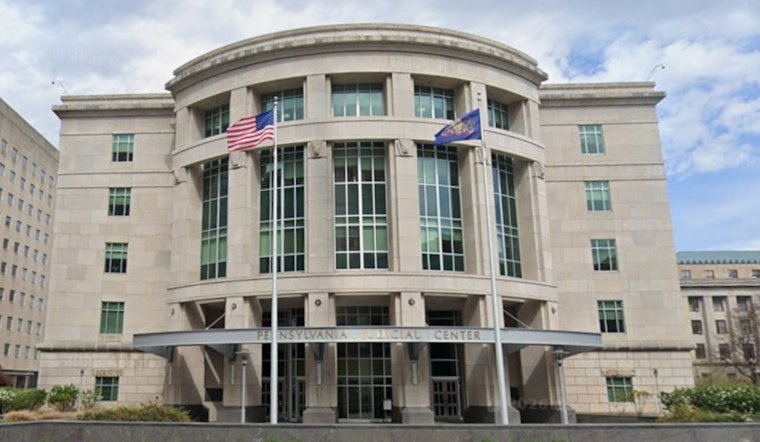
In a unanimous ruling on April 28, the Pennsylvania Supreme Court said that cast vote records, the row-by-row tabulator spreadsheets that show how each ballot was read, are public records under the state's Right-to-Know Law. The decision, which grew out of a 2021 records request and years of appeals involving Lycoming County, orders the county to turn over CVRs from the 2020 general election. County election officials and outside experts say the opinion leaves behind some tricky technical and privacy questions that many jurisdictions are not yet ready to solve.
What the court said
The court held that CVRs are produced by automatic tabulating equipment and therefore are not the "contents of ballot boxes and voting machines" that are exempt under Section 308 of the Election Code, Justice Daniel McCaffery wrote in the opinion. McCaffery cast the ruling as a bid to balance openness and secrecy, writing that disclosure can "satisfy the voting public that our elections are safe, secure and accurate." The opinion also makes it clear that whether a county's method of producing CVRs protects ballot secrecy is a fact-specific question that courts or regulators may have to revisit. According to the Pennsylvania Supreme Court opinion.
Counties weigh next steps
Lycoming County's elections director says the county will comply with the ruling, but other jurisdictions are taking a pause to review their equipment and potential legal exposure. The decision has kicked up a flurry of questions about whether counties should post full, row-level CVR files or hold back precinct-level data where voter anonymity could be compromised, AP reports. Many election offices are now looking to the Pennsylvania Department of State for formal guidance before they decide how to respond.
Technology and randomization matter
How CVRs are generated varies by vendor and can determine whether files can safely be released. A Votebeat/Spotlight PA review found that Lycoming County's system randomizes the order of ballots in its CVR, a technique the court said can help protect secrecy, but not all counties use the same randomization or even have software that produces CVRs in the same format. That patchwork of systems means some counties may be able to release full CVRs without much risk while others may have to provide aggregated or redacted outputs instead, according to Spotlight PA.
Privacy experts raise alarms
Outside researchers warn that raw CVR files can be paired with public voter-roll data and other records in ways that may expose how specific people voted in some situations. "CVR data could be paired with public voter rolls to identify names, addresses and voting patterns," Dr. Chris Fowler told local reporters, adding that the ruling "will expose more voters and create fewer resources to deal with it," as reported by FOX43. Those risks are particularly high in very small precincts or low-turnout contests, where even randomized outputs might not prevent someone from figuring out who voted for whom.
Legal implications and what’s next
The decision turns on how the Right-to-Know Law interacts with Section 308 of the Election Code, the provision that contains the "contents" exemption, and it signals that technical details and local practices will determine whether files are released or withheld in particular counties. The Department of State has said it is reviewing the opinion and working with counties on implementation. That guidance will likely determine whether this unfolds as a wave of local disclosures, a new round of litigation over specific counties, or a push for lawmakers to clarify the statute. For the court's full analysis, see the Pennsylvania Supreme Court opinion.
What to watch
All eyes now are on three fronts: formal guidance from the Department of State, the first county-level CVR releases, and any fresh court fights or legislative fixes. Those moves will shape how Pennsylvanians gain access to the data while keeping individual ballots secret. Reporters and researchers will be tracking which counties publish full CVRs, which offer only redacted or aggregated files, and whether lawmakers move to rewrite the decades-old statutory language that the court said no longer lines up with modern voting technology, per reporting from Penn Capital-Star.





