

























































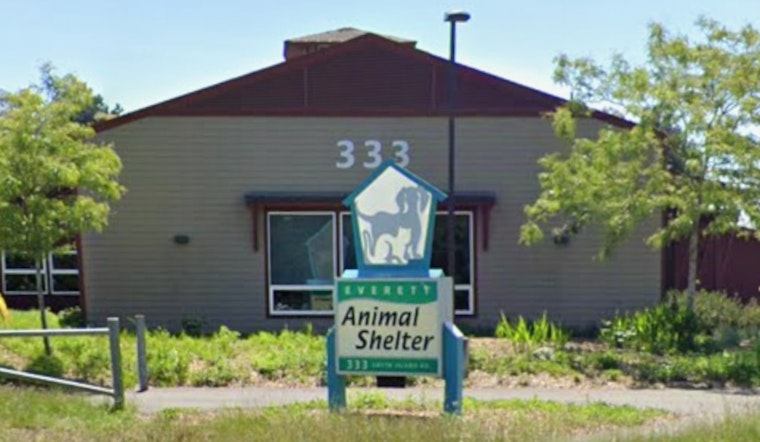
Canine parvovirus is ripping through parts of Snohomish County, and the Everett Animal Shelter says it is feeling the impact as sick dogs arrive in waves and staff scramble to contain the spread. Shelter leaders are urgently pleading with dog owners to get puppies and unvaccinated dogs their shots now, before more cases hit.
City and shelter officials report a sudden spike in seven to eight parvo-related incidents in recent weeks, involving roughly two dozen dogs and puppies in Everett, Monroe and Stanwood, with another confirmed case in Tulalip. The shelter says six of the sick animals were brought in for treatment, and a dog discovered dead in a park near the shelter later tested positive for the virus, according to KING 5.
“Usually, we’ll see a couple of cases, but just hearing about all of these reports and seeing the animals that are coming in sick, gives us concern that people aren’t getting their animals vaccinated,” Glynis Frederiksen, an animal services manager, told KIRO 7. Frederiksen added that treatment can easily run into the thousands of dollars, and said the shelter plans to offer vaccine clinics to help owners who cannot afford routine shots.
How Parvo Spreads And Why It Is So Dangerous
Canine parvovirus spreads through infected dogs’ feces and any contaminated surfaces, and the virus can linger in soil and on objects for months, which makes outbreaks stubborn and hard to stamp out, according to Cornell University. Classic symptoms include severe vomiting, bloody diarrhea, profound lethargy and dehydration. Young, unvaccinated puppies are especially vulnerable and can deteriorate very quickly without veterinary care.
Aggressive hospital treatment significantly improves a dog’s chances of survival, while long-term data show that untreated outbreaks can carry very high fatality rates, according to the Merck Veterinary Manual.
Vaccines And Boosters
Routine puppy vaccines provide strong protection against parvovirus. The American Animal Hospital Association recommends a primary vaccine series starting at about 6 to 8 weeks of age, followed by a booster within a year and then multi-year boosters after that for core vaccines. The shelter says boosters are encouraged every one to three years, and that owners who are not sure of a dog’s vaccination status should talk with a veterinarian or consider a titer test, according to AAHA.
What To Do If Your Dog Is Sick
If a dog suddenly starts vomiting, has blood in the stool, or seems extremely weak and listless, local officials say owners should isolate the animal right away and call a veterinarian, since early treatment gives the best shot at recovery. The shelter reports that it is monitoring the current outbreak, may be able to offer help to owners who cannot afford vaccinations, and is asking residents to keep an eye on the shelter’s Facebook page for updates and resources, according to the City of Everett.
Pressure On Shelters And What Comes Next
Parvo clusters can quickly upend shelter operations. Facilities often have to quarantine intake areas, step up deep-cleaning with disinfectants that are proven to kill parvovirus, and sometimes temporarily limit new dog intakes so that sick animals can be isolated safely.
Everett officials say they plan to lean on community vaccine clinics and outreach in low-income neighborhoods to try to slow the trend while they watch case counts closely. For owners who are unsure about vaccine timing or worried about costs, local veterinarians and the Everett Animal Shelter remain the best first stops to talk through vaccination, testing and care options. The shelter is urging residents to follow its social media pages for clinic dates and ongoing updates.



