

























































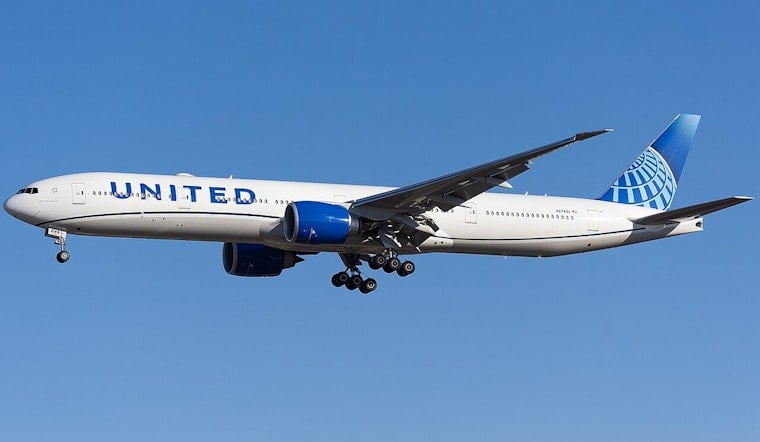
The NTSB’s final report, released May 1, 2026, says a routine departure out of George Bush Intercontinental Airport turned into a tense runway evacuation when United Flight 1382 aborted takeoff after a right-engine failure on Feb. 2, 2025. Investigators say the mechanical problem itself did not cause any injuries, but passenger panic and a breakdown in crew communication made the escape far riskier. All 112 people on board walked away without injury, although one evacuation slide was damaged when it deployed into an engine’s exhaust.
NTSB report: crew coordination and passenger behavior
According to a report by the NTSB, the aft cabin erupted in shouts that the engine was on fire as passengers stood up, grabbed carry-ons and jammed the aisles, preventing flight attendants from completing a full exterior assessment. The board found that the evacuation alarm was not activated before an aft-left door was opened, which delayed the flightcrew’s awareness of the situation and left an engine running while a slide inflated. NTSB timeline data and cockpit-voice recordings show the rejected takeoff and subsequent evacuation unfolded within minutes of an “ENG 2 FAIL” indication.
Engine teardown shows high-cycle fatigue
As reported by Aviation Today, investigators determined that a third-stage rotor blade in the right engine fractured from high-cycle fatigue after tens of thousands of hours and cycles. The separated blade produced downstream impact damage, but the failure remained contained inside the engine, allowing the crew to bring the airplane to a stop on the runway. That teardown finding underscores persistent high-cycle fatigue risk in some V2500-powered engines despite previous service-bulletin upgrades.
Slide failure and evacuation dynamics
The NTSB’s examination, detailed in the FOX 26 Houston copy of the final report, showed the 2L evacuation slide inflated into the operating engine’s exhaust, was whipped violently for roughly 100 seconds and then partially deflated after a communication-patch assembly separated under structural overload. Safran, the slide manufacturer, told investigators that forces from a running engine exceed the slide’s tested limits, meaning the failure was caused by exposure to exhaust airstreams outside its design parameters. Because three passengers had already descended the 2L slide before it stabilized, the crew blocked that exit and redirected evacuees to other doors, complicating the overall evacuation flow.
FAA guidance and industry response
The episode reinforced existing federal guidance. In September 2025 the FAA issued Safety Alert for Operators 25003 (SAFO 25003), which warns that passengers retrieving carry-on items during evacuations can slow exits, damage slides and increase the risk of injury. The alert recommends operators review safety briefings, cabin announcements and evacuation training to discourage baggage retrieval in emergencies. Regulators and carriers are weighing whether clearer messaging or other measures could reduce the kind of behavior that complicated the Houston evacuation.
What fliers should take away
For travelers, the basic lesson is simple: follow crew instructions and leave your belongings behind in any evacuation. Local reporting and the NTSB note that the crew’s quick actions and the prompt arrival of firefighters kept everyone safe, but investigators warned the outcome could have been far worse if the slide had failed completely or the engine had not been shut down. As airlines update training and public messaging, passengers who heed “leave your bags” orders make evacuations faster and safer for everyone, officials said in reporting by FOX 26 Houston.





.jpg)