

























































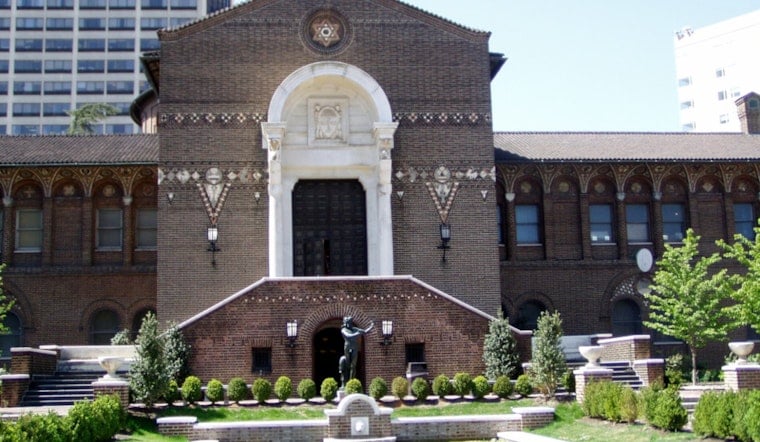
The Penn Museum has pulled off a quiet but striking reset of how Philadelphia sees Native history, unveiling a reimagined Native North America gallery that puts Indigenous voices in charge. In a compact, hands-on space, ancient artifacts sit alongside contemporary art, language stations and Native-led curation that underline a simple point: these are living cultures, not frozen exhibits.
Inside the new gallery
The Native North America gallery covers roughly 2,000 square feet and opened on Nov. 22, 2025, with about 250 objects grouped into four geographic regions. The focus is on the Delaware/Lenape in the Northeast, Eastern Band Cherokee and Muscogee (Creek) in the Southeast, Pueblo peoples in the Southwest, and Lingít and Alutiiq communities in the Northwest. The overhaul was developed by two Penn curators working in close collaboration with Indigenous consulting curators, according to Penn Museum.
Built with Native curators
Instead of a gallery that talks about Native people from a distance, this one was built with them. Eight Indigenous consulting curators helped choose which objects would appear, shape the wording on labels and steer the design of interactive media. Members of the represented communities joined opening weekend events and described the project as a move away from extractive museum habits that treat Native cultures as artifacts to be mined rather than as communities to work with. Those on-the-ground reactions were reported by ICT.
What visitors will see
Inside, visitors move from ancient projectile points, ceremonial garments and household items to contemporary work, including Holly Wilson’s sculpture "I Am More Than Fluff." At the entrance, an empty display case stands as a deliberate statement, marking items that have been repatriated or are considered inappropriate for public viewing. Primary labels foreground Native languages before English, and interactive language and craft stations invite visitors to engage directly. These curatorial choices and the gallery’s hands-on elements were highlighted in coverage and press previews, including reporting from Side of Culture.
Why it is back in the spotlight
The gallery has resurfaced in local headlines after a recent TV segment spotlighted its message that "Native communities are still here" and its focus on living languages. That story aired on WPVI this week. The renewed interest also tracks with the university’s plan to hold a public dedication of Holly Wilson’s large East Entrance commission next Saturday, according to the University of Pennsylvania Almanac. Together, the media attention and upcoming program show how Philadelphia museums are elevating Indigenous perspectives ahead of the nation’s semiquincentennial.
Context: repatriation and museum strategy
The Native North America gallery is one piece of a broader Penn Museum effort to prioritize community partnerships, strengthen stewardship and pursue repatriation where appropriate, as outlined in recent institutional materials. Federal law known as NAGPRA governs the return of human remains and certain sacred items, and the National Park Service provides guidance on how that law works in practice. For more detail on the museum’s approach, see Penn Museum, and for an overview of NAGPRA itself, see the National Park Service’s materials at NPS.
The gallery is open to visitors and sits within a growing citywide slate of semiquincentennial programming. For now, it stands as one of Philadelphia’s clearer examples of what it looks like when museums hand interpretive power to the people whose stories are actually on display.





