

























































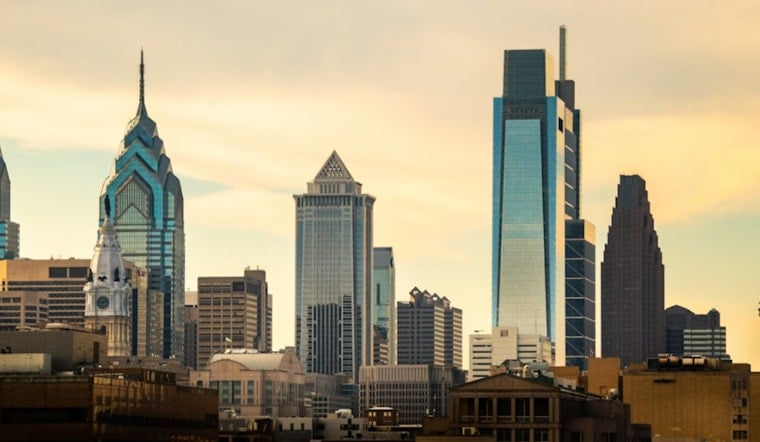
Philadelphia’s air just slid further in the wrong direction. In the American Lung Association’s latest State of the Air report, the Philadelphia‑Reading‑Camden metro area ranks as the 17th worst in the country for average fine‑particle (PM2.5) pollution from 2022 to 2024, a jump from 26th place a year earlier. Philadelphia County logged the region’s highest particulate readings, and the city’s annual PM2.5 average exceeded the Environmental Protection Agency’s health‑based threshold. Taken together, the numbers leave the metro failing for ozone and for both short‑term and year‑round particle pollution.
What the report shows
The ALA’s 2026 State of the Air leans on official monitoring data from 2022 to 2024 and assigns the metro failing grades on ozone days, short‑term particle spikes and annual particle averages, according to the American Lung Association. The group estimates that about 1.18 million children in Pennsylvania lived in areas that experienced unhealthy air at some point during that period. The report links those health risks to a mix of traffic, power‑generation and industrial emissions, along with episodic sources such as wildfire smoke.
Why the ranking worsened
City officials and local reporters say the metro’s rise in the rankings was driven in part by smoke that drifted in from New Jersey fires and by long‑range plumes from the West, a pattern highlighted in regional coverage by WHYY. Kevin Stewart, environmental‑health director for the ALA, told WHYY that repeated exposure to polluted air increases the chances of asthma attacks and emergency room visits, especially for children and older adults. Those seasonal smoke events helped nudge up the three‑year averages that determine the metro’s position on the list.
How this affects residents
Health experts note that children, older adults and people with heart or lung disease are most at risk from PM2.5 and ozone, and that repeated exposure can aggravate chronic conditions. Local officials and the ALA urge residents to take practical precautions, including checking daily air‑quality forecasts, easing up on outdoor exertion when air is poor, using high‑efficiency filters indoors and wearing N95‑style masks when smoke is in the air. For a concise checklist of those steps, the American Lung Association offers additional guidance.
Bigger drivers and next steps
Beyond wildfire smoke, analysts point out that long‑running sources such as cars, power plants and industrial emissions keep the region’s particle averages elevated. Nationally, researchers have also warned that rapidly expanding, energy‑hungry data centers could add to the pressure if their electricity continues to come from fossil fuels, according to the Pew Research Center. Local coverage cites a mix of upwind pollution and legacy industry as reasons Philadelphia remains near the top of particle‑pollution lists, and advocates are pushing for faster moves to clean electricity and tighter rules for major emitters, as CBS Philadelphia reported.



