

























































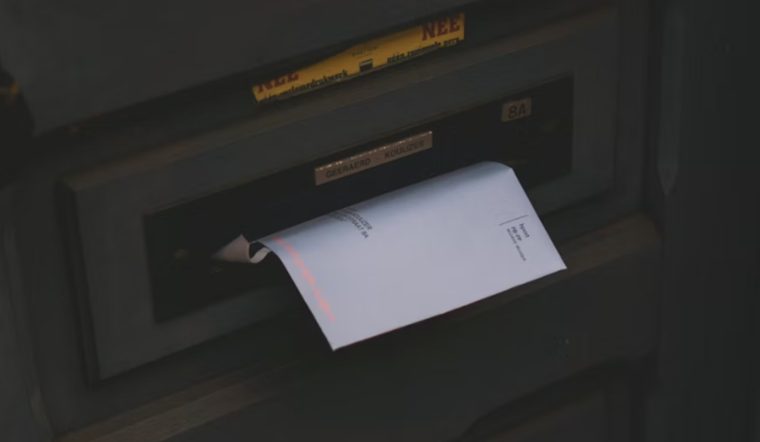
Homeowners across Central Florida are opening their mail to find urgent-looking letters claiming their houses have already been foreclosed on and sold, even when that is not true. In one Brevard County case, a Melbourne couple received a notice saying their home was sold in February, but public records showed no sale at all. The mailings appear designed to scare homeowners into calling a number, paying fees, or signing paperwork that could strip away their equity.
How the letters work
Action 9’s consumer investigation found that the Brevard County couple received a letter claiming their home had been sold and offering to “reverse” the sale. When Action 9 called the number on the letter, a woman said the operation was Pro Elite Group in San Diego, a company investigators could not verify, according to WFTV. The mailers lean on an urgent tone and often display official-looking logos to make everything appear legitimate. The Better Business Bureau’s Scam Tracker lists multiple complaints from homeowners who say a Pro Elite Group operation demanded upfront fees and delivered no real help, mirroring the pattern investigators described.
Red flags experts warn about
Orlando real estate attorney Barry Miller says any letter that lacks a verifiable company letterhead or local business address is an immediate red flag. He urges homeowners not to call phone numbers printed on unsolicited foreclosure notices, telling WFTV that they should contact their lender instead. The Consumer Financial Protection Bureau lists the same warning signs: pressure to act fast, requests for upfront fees, instructions to stop communicating with your lender, and attempts to get you to sign over the deed are all classic foreclosure-relief scam tactics. Any solicitation that insists on immediate payment or title transfers should be treated with extreme skepticism.
Court filings and consumer reports show a pattern
Public court records back up what consumers are reporting. A U.S. Bankruptcy Court pre-hearing calendar from January 2026 includes a case in which a debtor said she hired Pro Elite Group for a loan modification, paid monthly fees, and later learned the company never submitted the modification application, according to the court document. Independent complaint trackers and review sites contain similar first-hand accounts of homeowners paying thousands of dollars and receiving little or no help. Together, the court filing and those consumer reports describe repeated use of upfront fees and misleading paperwork, the same hallmarks regulators and consumer advocates warn about.
What to do if you get a letter like this
If one of these letters lands in your mailbox, skip the number on the mailer. Instead, contact your mortgage servicer directly or log into your lender’s online portal to verify your account status. You can also check public records yourself by looking up lawsuits and recorded deeds through your county clerk of court and the Brevard County Property Appraiser’s public search tool to confirm ownership and any recorded sales or transfers; see the Brevard County Property Appraiser’s search page for instructions. If you suspect a scam, file complaints with federal agencies and get help from trained counselors: the Consumer Financial Protection Bureau and the Federal Trade Commission accept consumer reports, and HUD-approved housing counselors can help you work with servicers or find free legal aid.
Legal red flags and reporting
Federal rules already outlaw many of the tactics described in these complaints. The FTC’s Mortgage Assistance Relief Services (MARS) framework forbids for-profit companies from collecting fees before producing a written offer from a lender, and agencies have enforced those standards in past actions and guidance. If you were charged upfront, told to stop talking to your lender, or pressured to sign away your deed, those facts can form the basis of complaints to state and federal enforcers. You can submit scam reports to the Federal Trade Commission and consider sharing your documents with your state attorney general or a local attorney for review.
Local investigators and consumer-protection agencies say unsolicited foreclosure notices should be treated as a prompt to verify, not a reason to panic. Check official records, contact your servicer, and report suspicious firms so the same scheme does not hit the next mailbox on your block.



