

























































Colorado lawmakers have teed up a bipartisan overhaul of how public schools treat students with disabilities, sending Senate Bill 26‑125 to Gov. Jared Polis for final signoff. The measure, formally titled Disability Rights Protections in Public Schools, would require schools to adapt activities so students with disabilities can fully participate in classes and extracurricular activities. Backers say the bill fills a gap left by shrinking federal civil rights enforcement and gives families a quicker way to seek remedies when districts fall short.
What the bill would require
SB26‑125 pulls core language from Section 504 of the Rehabilitation Act and the Americans with Disabilities Act directly into Colorado statute. It would require local education providers to:
- Adopt a disability‑rights grievance process
- Designate at least one disability‑rights compliance coordinator
- Provide annual disability‑rights training for schools
The bill also requires districts to make reasonable modifications so students with disabilities can participate in nonacademic and extracurricular activities. It gives the Colorado Department of Education a complaint‑and‑investigation process to oversee these protections, although many of those enforcement steps are explicitly tied to available funding. These provisions appear in the enrolled bill text and fiscal notes, according to the Colorado General Assembly.
Families pushing for small changes
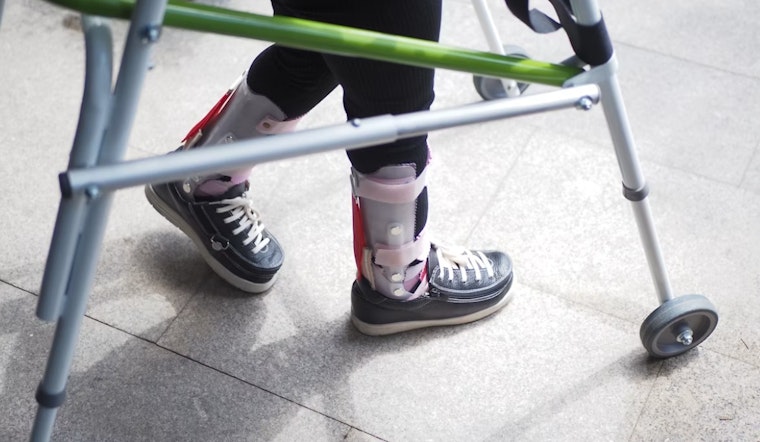
Parents who have been lobbying for the measure say the fixes they are asking for are often small but meaningful shifts that keep kids included instead of sidelined. Ellie Roth, whose 10‑year‑old daughter Magdalene had her right leg amputated above the knee at a very young age, told reporters that Magdalene has at times been left out of the annual mile run at school. Roth said simple alternatives, such as offering a 400‑meter option, giving Magdalene a timing role, or rearranging the course so everyone can cheer from the same spot, would still let her participate. She added that formally opting her daughter out of the run can be harder on Magdalene than making a modest modification, according to 9News / KUSA.
Why advocates pushed for a state fix
Advocates and nonprofit organizations say they turned to the state Capitol after watching federal civil rights enforcement lose muscle. They point to staff cuts and office closures at the U.S. Department of Education’s Office for Civil Rights, along with a growing backlog of complaints that can leave families waiting months or longer for a federal response. State groups, including Disability Law Colorado and the Colorado Children’s Campaign, have urged lawmakers to create a faster state remedy for those families.
Where the bill stands now
The measure cleared the House on a 47‑18 vote and the Senate 24‑11, then was enrolled and delivered to the governor on May 19, according to LegiScan. Gov. Polis’s office has told reporters it supports protections for students with disabilities while at the same time raising questions about how the bill is funded, 9News / KUSA reports. Lawmakers and advocates say that if the governor signs in a timely fashion, districts can start planning for the required training and coordinator positions.
What comes next
Once the governor acts, standard state timelines will determine when the new law actually takes effect. If he neither signs nor vetoes SB26‑125 within the statutory window, it can still become law without his signature. The law gives the Colorado Department of Education a state complaint‑and‑investigation process and allows the State Board of Education to withhold funds for intentional violations. At the same time, several enforcement provisions are expressly conditioned on whether the department has sufficient funding, which is the sticking point that has complicated the bill’s final approval. Details on timing and enactment rules are outlined in the Colorado General Assembly’s guidance on bill drafting and enactment from the Office of Legislative Legal Services.





