

























































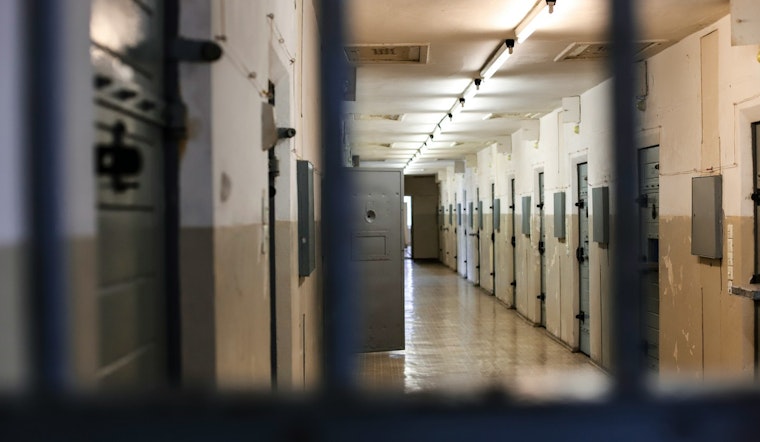
For the first time since a Manhattan jury found him guilty of killing his father, Thomas Gilbert Jr. is speaking on camera from prison, insisting that the public has not heard the whole story. The Princeton graduate, serving a 30 years to life sentence for the Jan. 4, 2015 shooting of his father, says he wants to "present my case" and argues that key context has been left out. The rare jailhouse appearance has pulled fresh attention back to a high profile Upper East Side killing that once dominated New York headlines.
Jailhouse Sit Down
In a jailhouse interview with Court TV, Gilbert, who reportedly initiated contact with a handwritten note agreeing to appear, tells host David Scott that "the narrative misses a lot of the facts" and that he wants to "present my case, my basic defense." Court TV reports that the segment aired in May as part of its Interview With A Killer series and that it includes interviews with trial witnesses and people who knew Gilbert before the shooting.
First On Camera Comments
According to the New York Post, Gilbert nods when asked on camera whether he is innocent and describes his childhood as "good, pretty wholesome for the most part." The Post notes his changed appearance behind bars and underscores that this is his first time speaking publicly on camera since his conviction.
Case Background
Prosecutors say Gilbert shot his father, hedge fund founder Thomas Gilbert Sr., inside the family's Beekman Place apartment on Jan. 4, 2015, then tried to stage the scene to look like a suicide. Investigators later recovered a .40 caliber Glock at the son's West 18th Street residence, according to reporting by the Associated Press via the Los Angeles Times. A jury convicted Gilbert in 2019 of second degree murder and two counts of criminal possession of a weapon.
Mental Health Defense
At trial, Gilbert's attorneys argued that he suffered from schizophrenia and other disorders that led to paranoia and psychosis, and they urged that he receive treatment instead of a prison term. The jury rejected that insanity defense and jurors said they were convinced by the evidence prosecutors presented, as reported by ABC News.
Sentence And Status
In September 2019, a judge sentenced Gilbert to 30 years to life, the term prosecutors had requested as the appropriate punishment for the killing, and he remains incarcerated serving that sentence. The new interview does not appear to line up with any public court filing or legal step that would alter his status.
Why This Matters
The sit down arrives as true crime shows continue to revisit well known cases, often reframing long settled trials by putting defendants directly in front of the camera. Court TV's package on the case, which also draws on coverage from the trial and interviews with people who followed the proceedings, has put the Gilbert story back into national discussion about mental illness, privilege and accountability.
Whether anything Gilbert says in the interview will have legal consequences is uncertain, but his decision to talk is likely to stir up fresh debate about what jurors heard in 2019 and how the criminal justice system handles defendants with significant mental health histories.


