

























































An autopsy released May 1, 2026, has concluded that a 33-year-old man who died in Wake County custody last October succumbed to heart disease, not external trauma or illegal drugs. The findings in the death of Alvin Saunders are now sharpening attention on how medical and mental-health issues are monitored inside the county jail.
Autopsy findings and the last hours
The State Medical Examiner listed Saunders’ cause of death as hypertensive and atherosclerotic cardiovascular disease. The report describes an enlarged heart, moderate coronary artery disease, plaque buildup in the aorta and thickening of the heart’s chambers. Toxicology testing did not show illicit substances, and the exam found no signs of trauma that could explain his death.
Investigative notes outline Saunders’ final hours. Detention officers twice observed him lying naked on the floor of his cell early on Oct. 11, 2025, before later finding him unresponsive at about 7:09 a.m. Staff began CPR and emergency medical services took over when they arrived, but he was ultimately pronounced dead, according to The News & Observer.
Where he was held
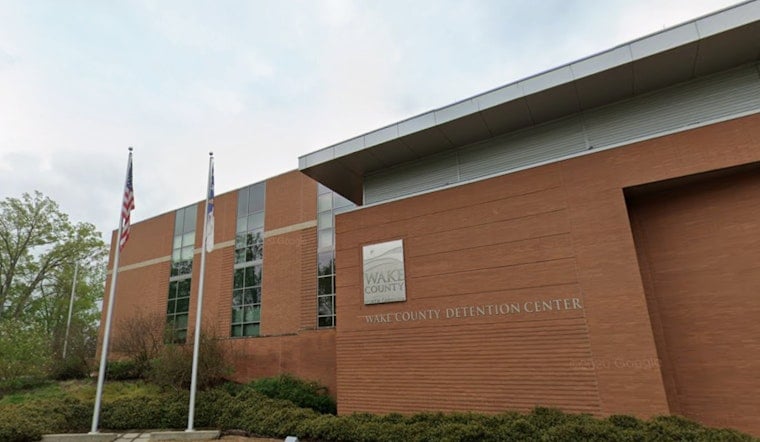
Saunders was housed in the psychiatric unit of the Wake County Detention Center, where the investigation notes he spent about 23 hours a day in a single cell. The Hammond Road detention complex, listed at 3301 Hammond Road in Raleigh, serves as the main intake and mental-health holding facility for the county. The jail has drawn local scrutiny as officials and community groups debate how well people with serious medical and behavioral-health needs are treated once they are behind bars.
Investigation and legal review
Following protocol for any in-custody death, the Wake County Sheriff’s Office turned the case over to the North Carolina State Bureau of Investigation. Wake County District Attorney Lorrin Freeman reviewed the SBI’s findings and concluded there was no criminal activity connected to Saunders’ death, which ended the criminal-investigative phase of the case, according to The News & Observer.
Wider context
Advocates and national reporting projects say deaths in custody often reveal weak spots in jail medical care, record-keeping and oversight that can leave families struggling for answers. Coverage from outlets that track deaths behind bars has highlighted how overburdened health systems in jails and uneven reporting requirements make it harder to prevent and fully investigate fatalities. For national context, see reporting by The Marshall Project on how deaths in detention are counted and reviewed. In Wake County, the completed autopsy and SBI investigation now form the official record that local leaders can use to consider any policy or operational changes inside the jail.





